Term 2 2026 at Te Manawa o Pāpāmoa
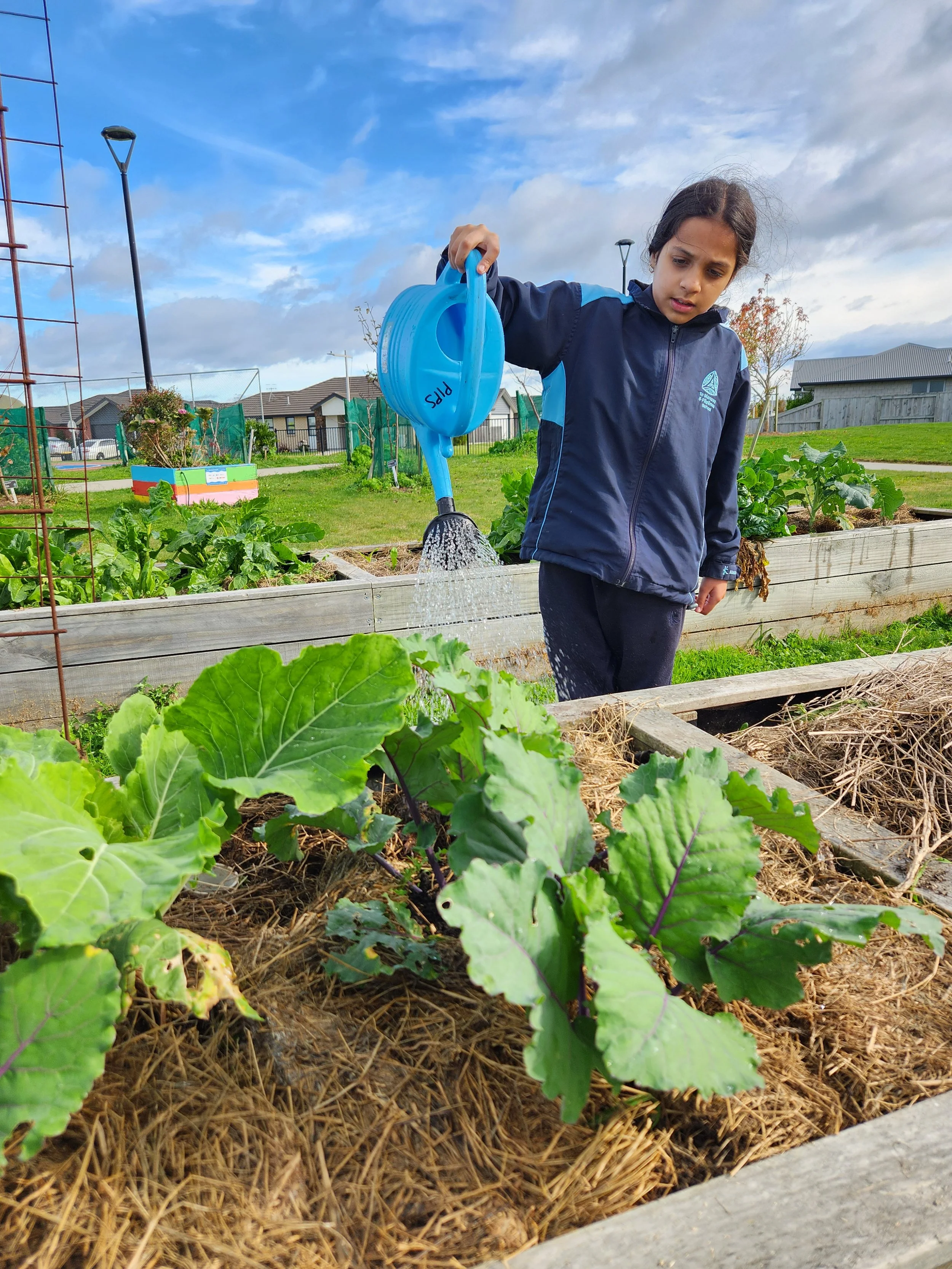
Term 2 has been another busy and rewarding season in the gardens at Te Manawa o Pāpāmoa. As the weather cooled, students embraced the changing season, caring for the gardens, planting winter crops, and learning more about the natural world around them.
Our strawberry patch is now 4 years old and is getting overgrown with runners (new plants growing off the original mother plant). To tackle this students carefully transplanted young strawberry plants into pots, where they will spend the winter in the greenhouse growing strong roots ready to be planted out into a newly composted garden bed once spring arrives. Students were invited to take 2 or 3 runners to grow at home.
We used our school made compost to sow the next round of winter seedlings, and gave the method of ‘seed snails’ a go. This is a fun method of laying compost down on a strip of recycled plastic and rolling it up tight before turning it up on its end and sowing seeds on the top exposed end. This will encourage the seedlings' roots to grow long and strong and is a great compact way of starting seeds.
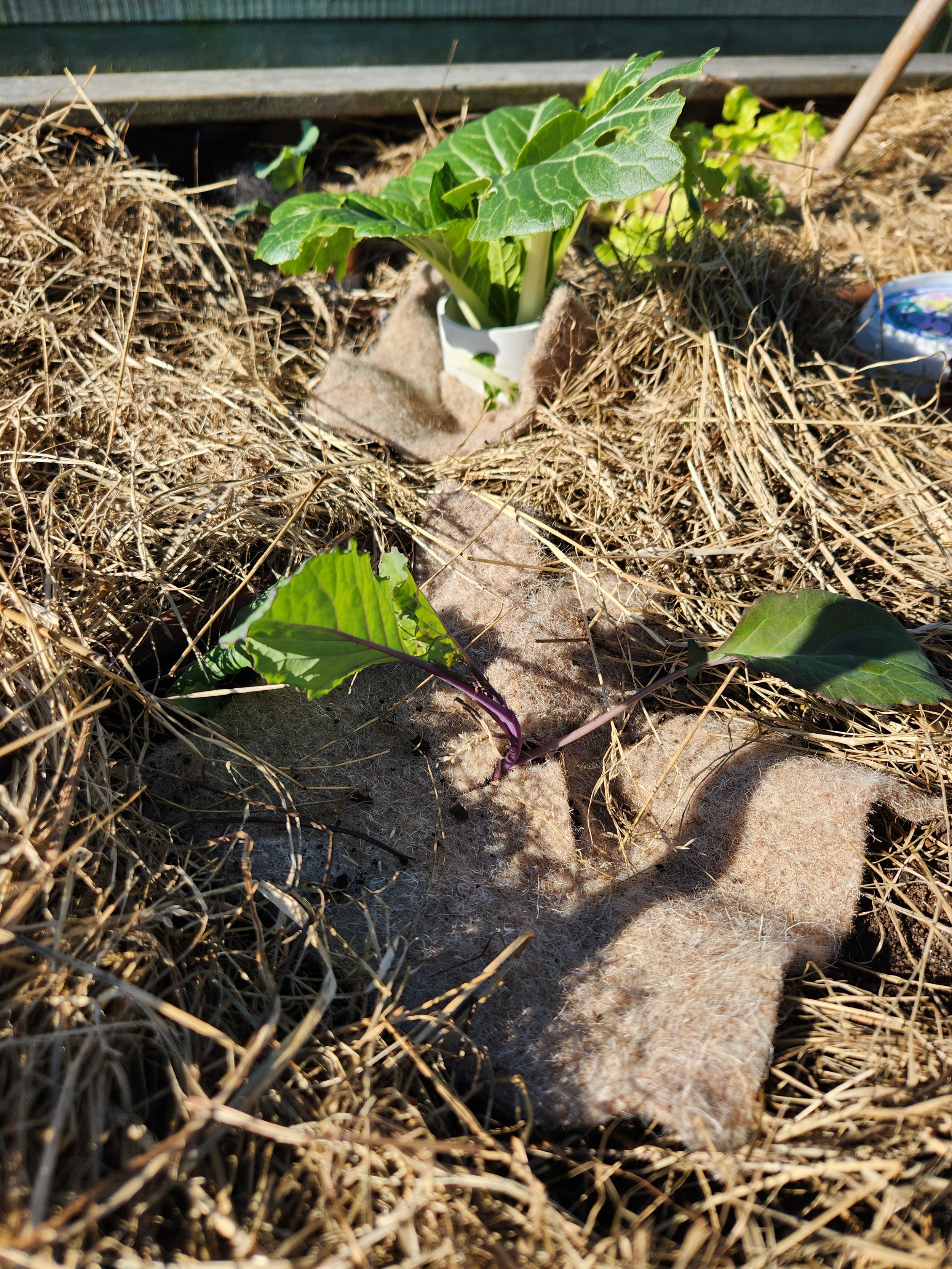
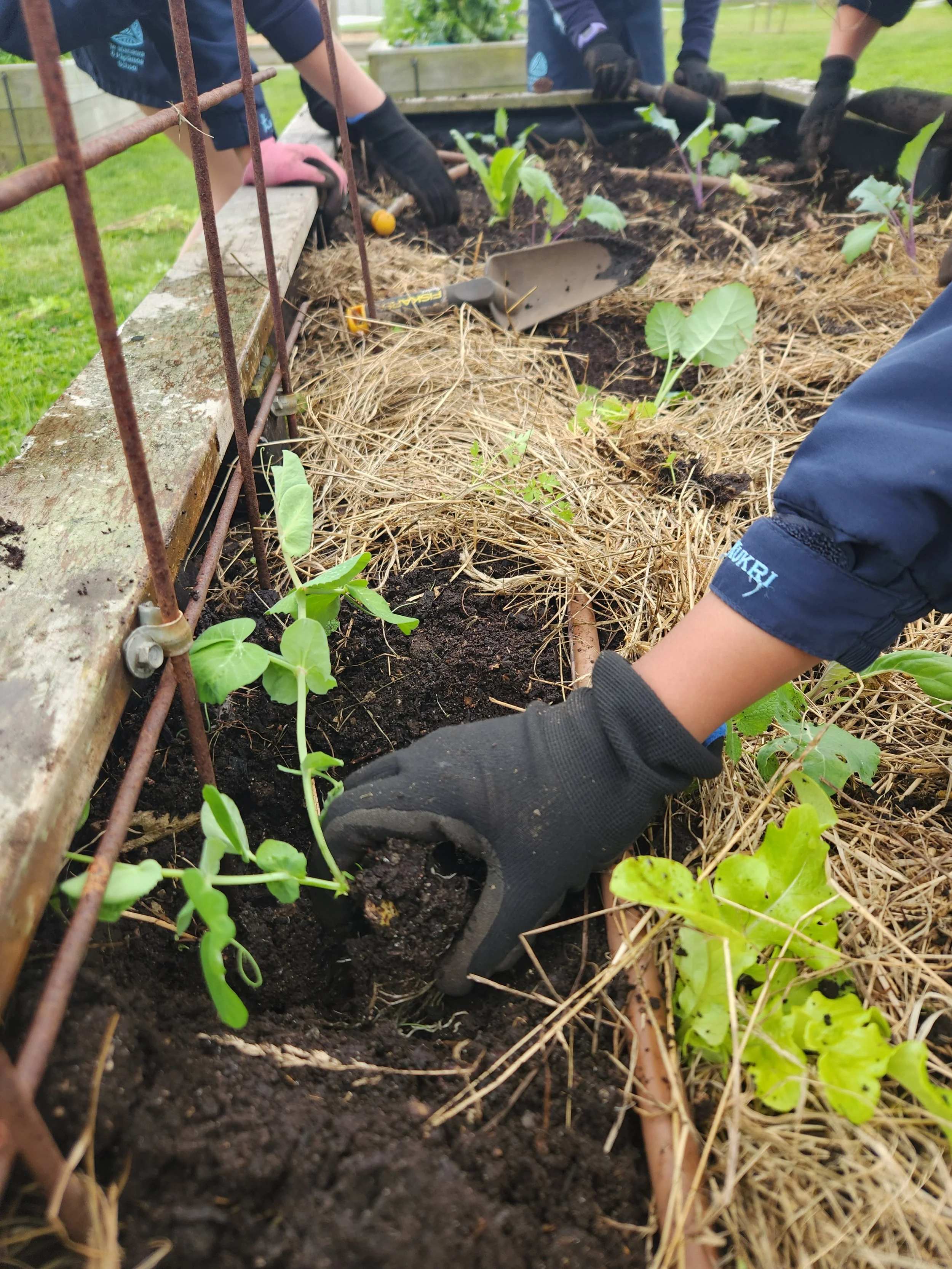
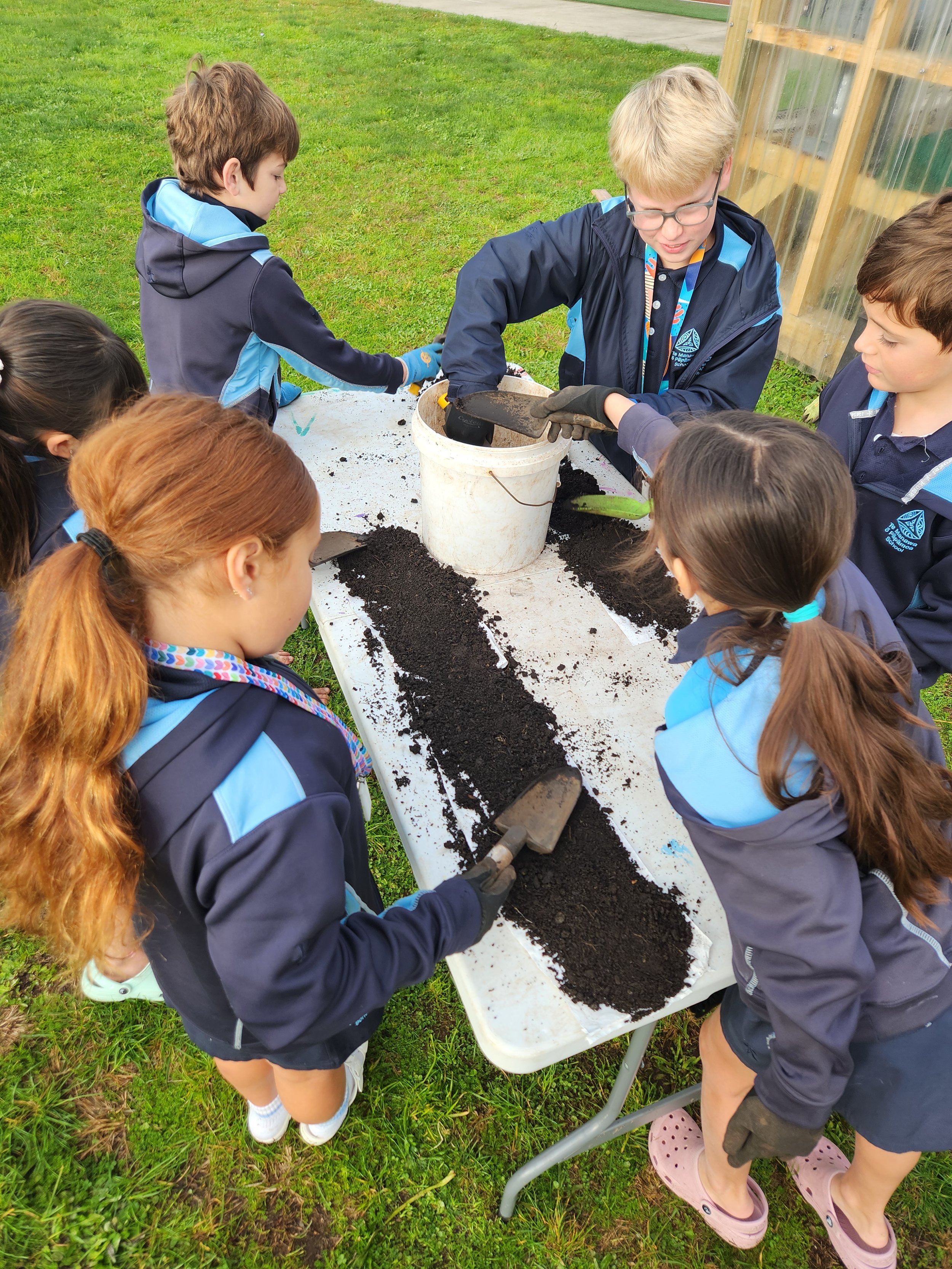
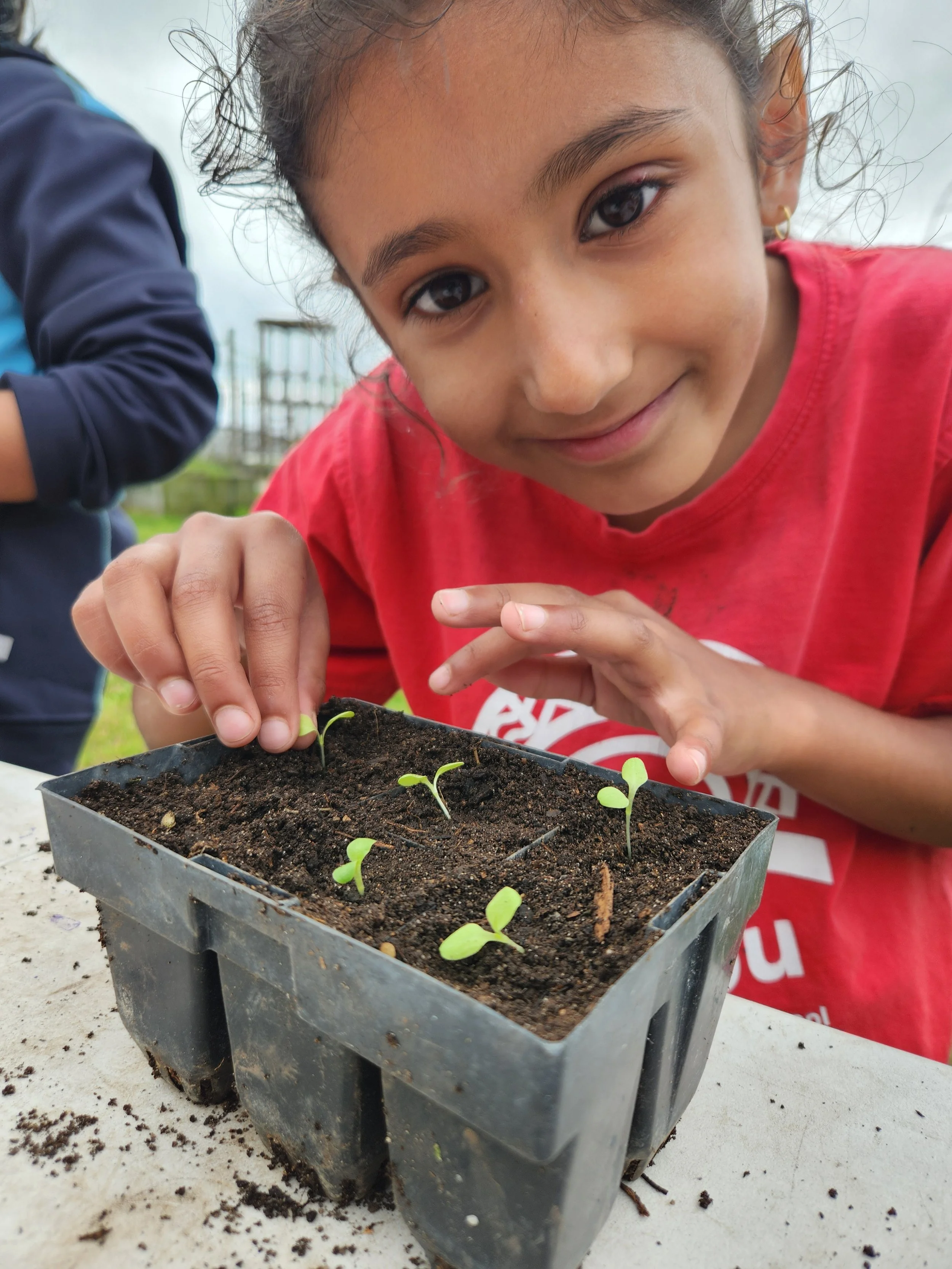
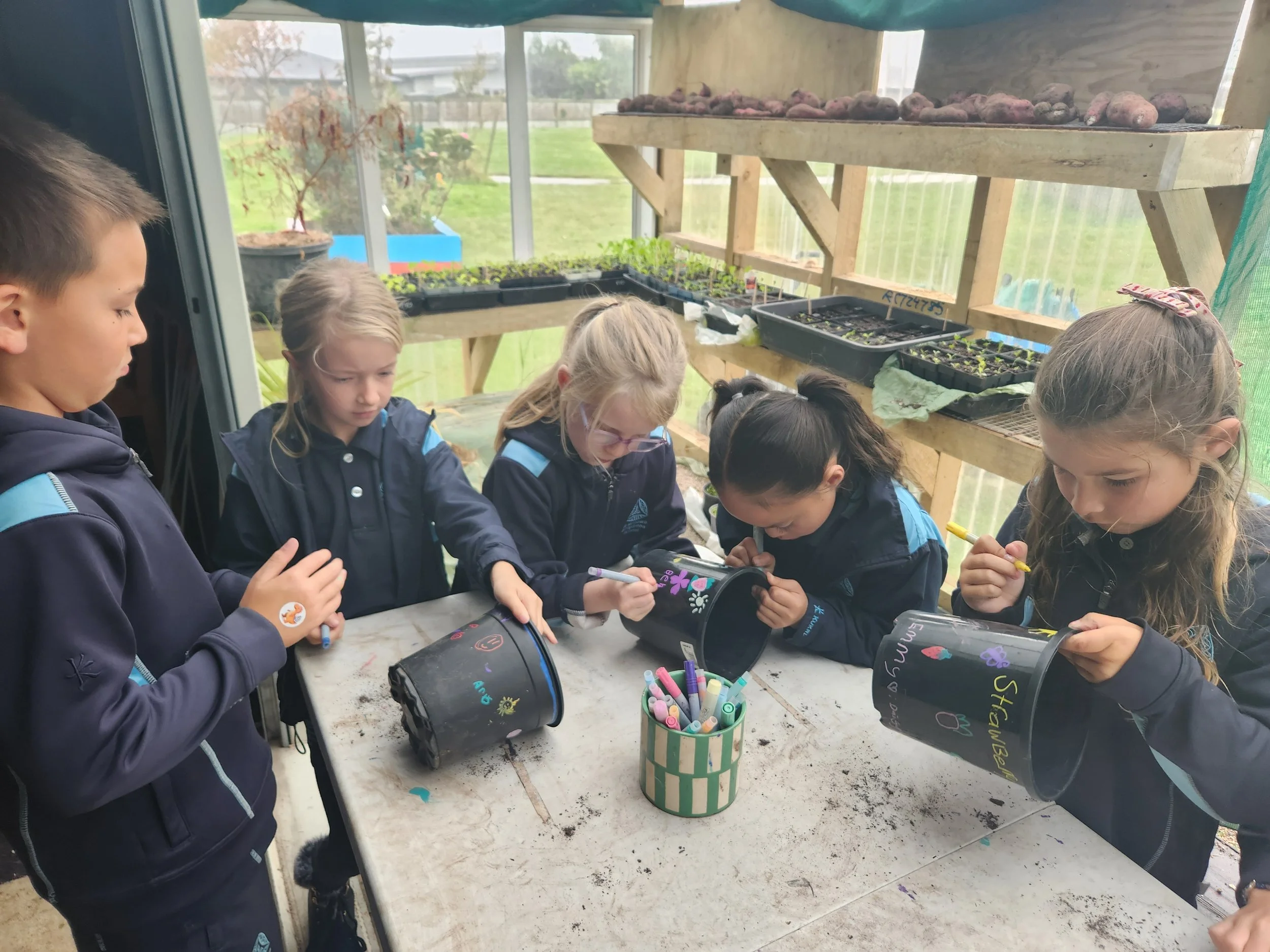
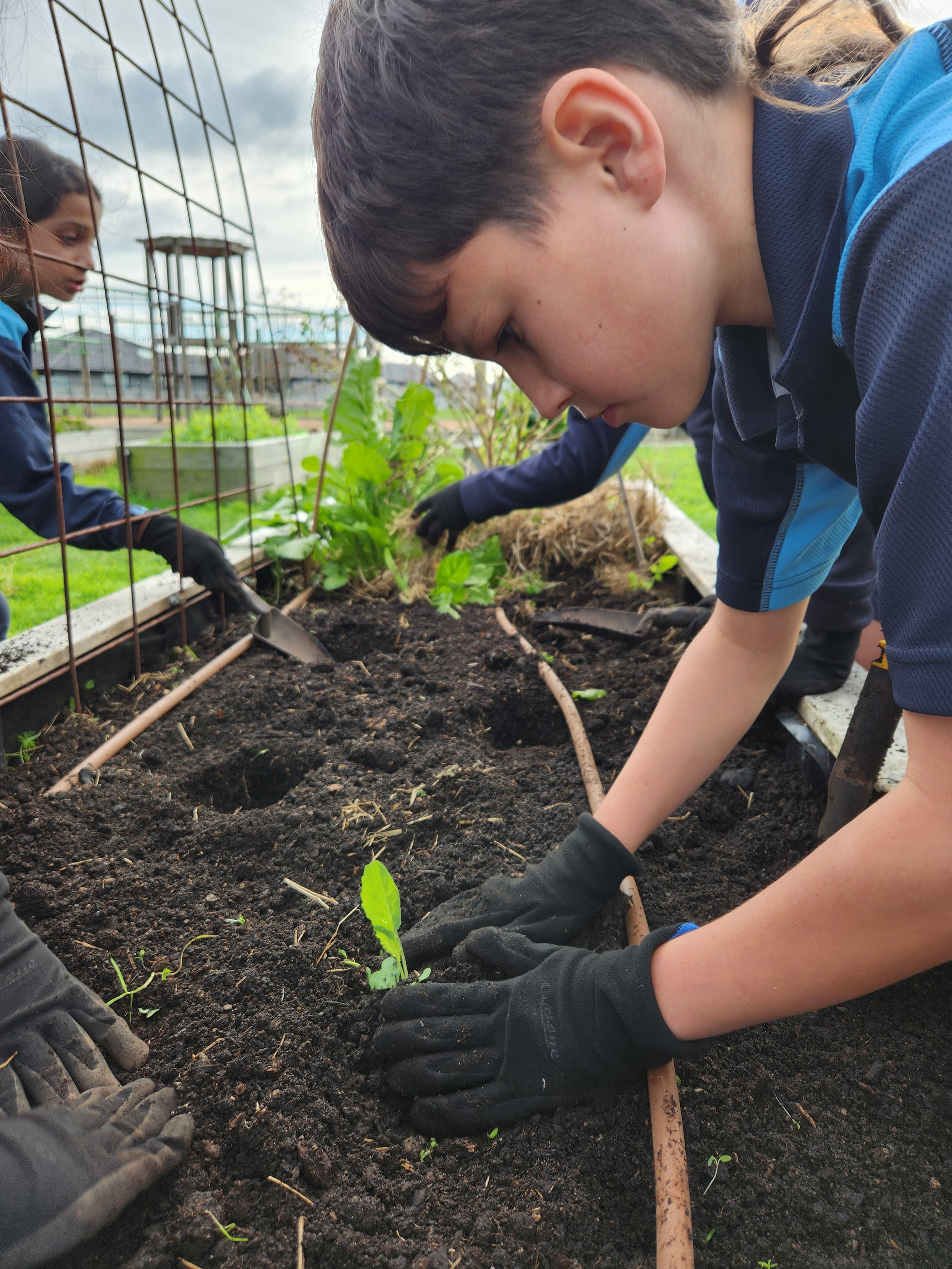
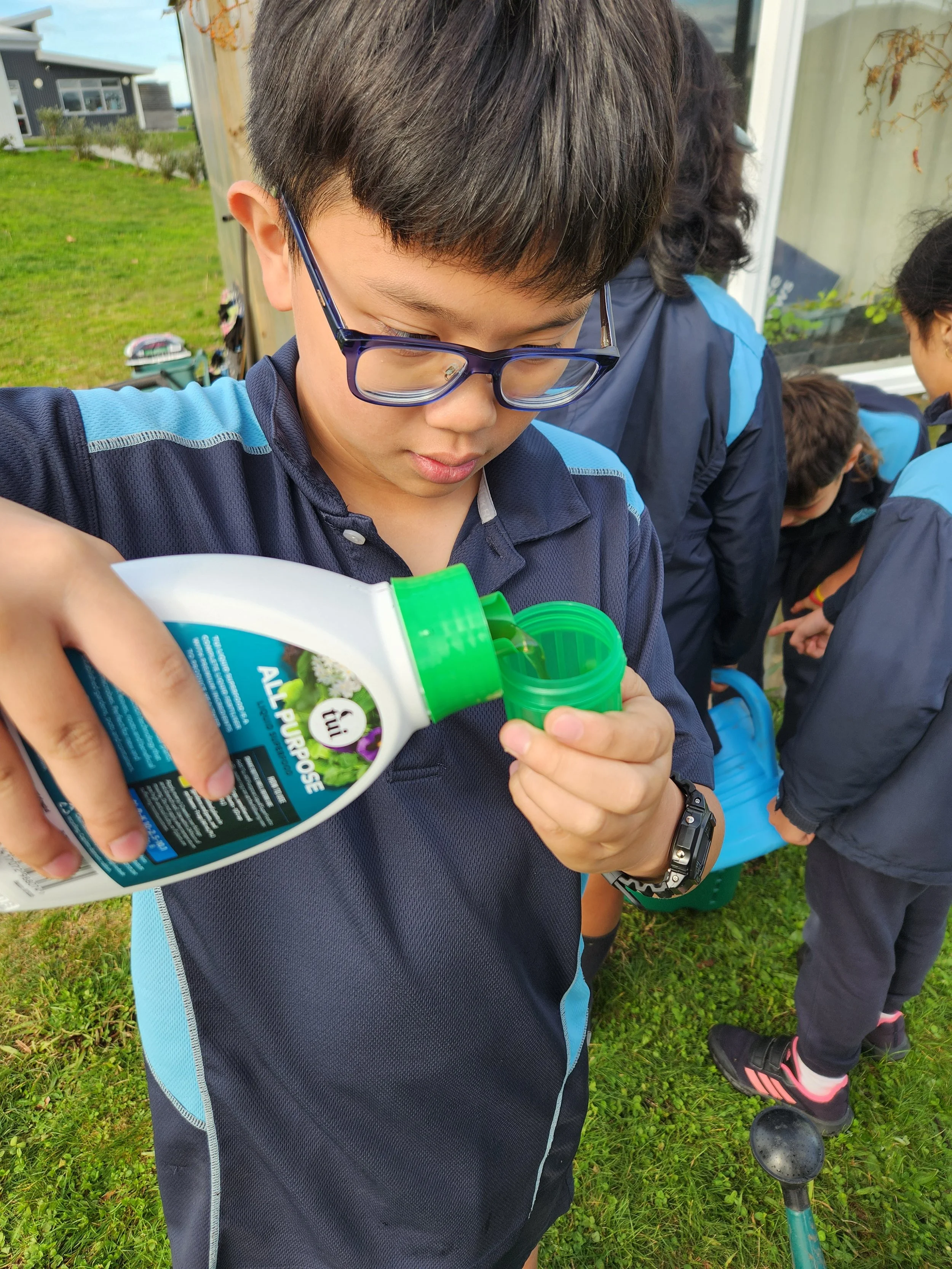
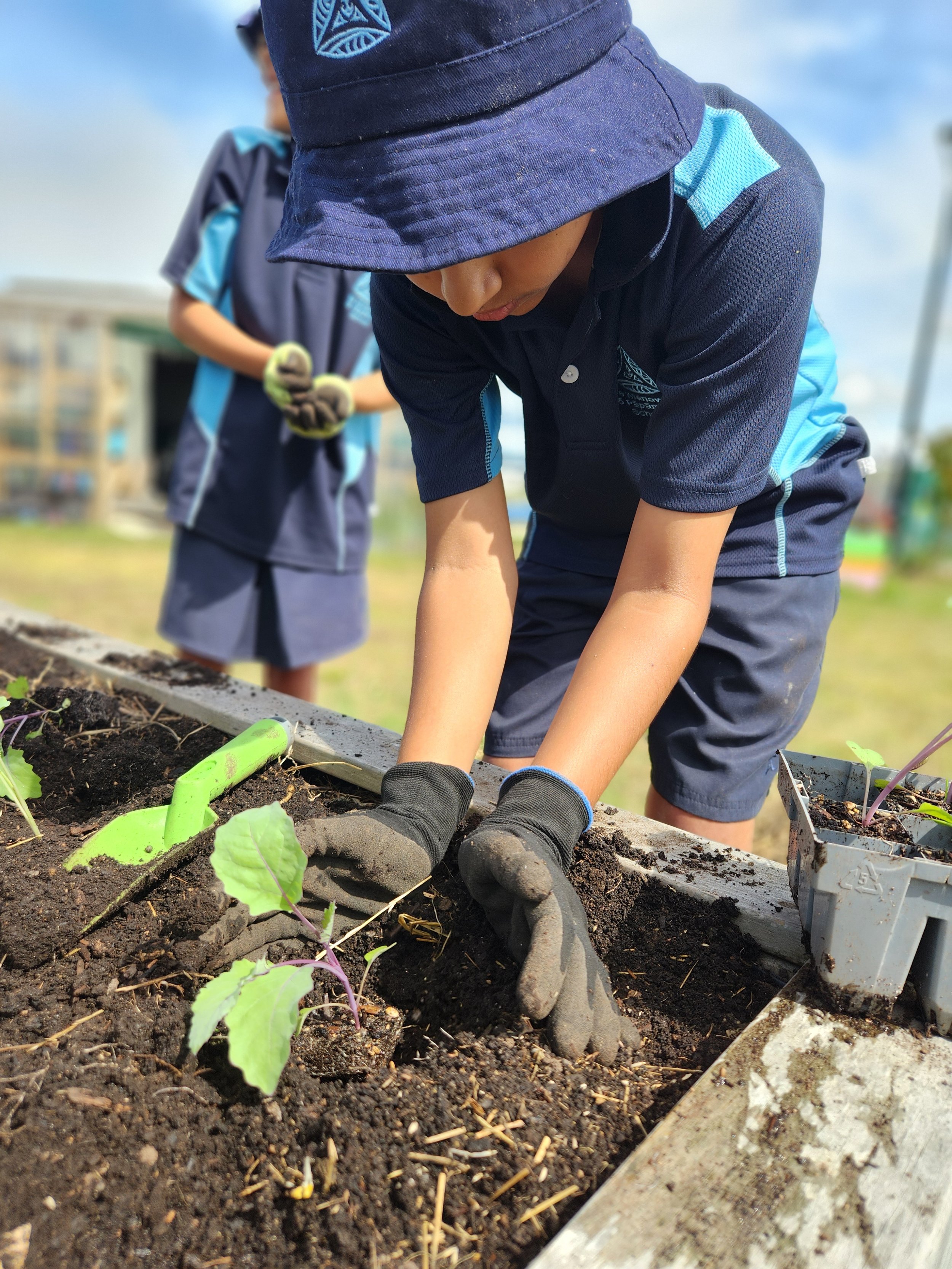
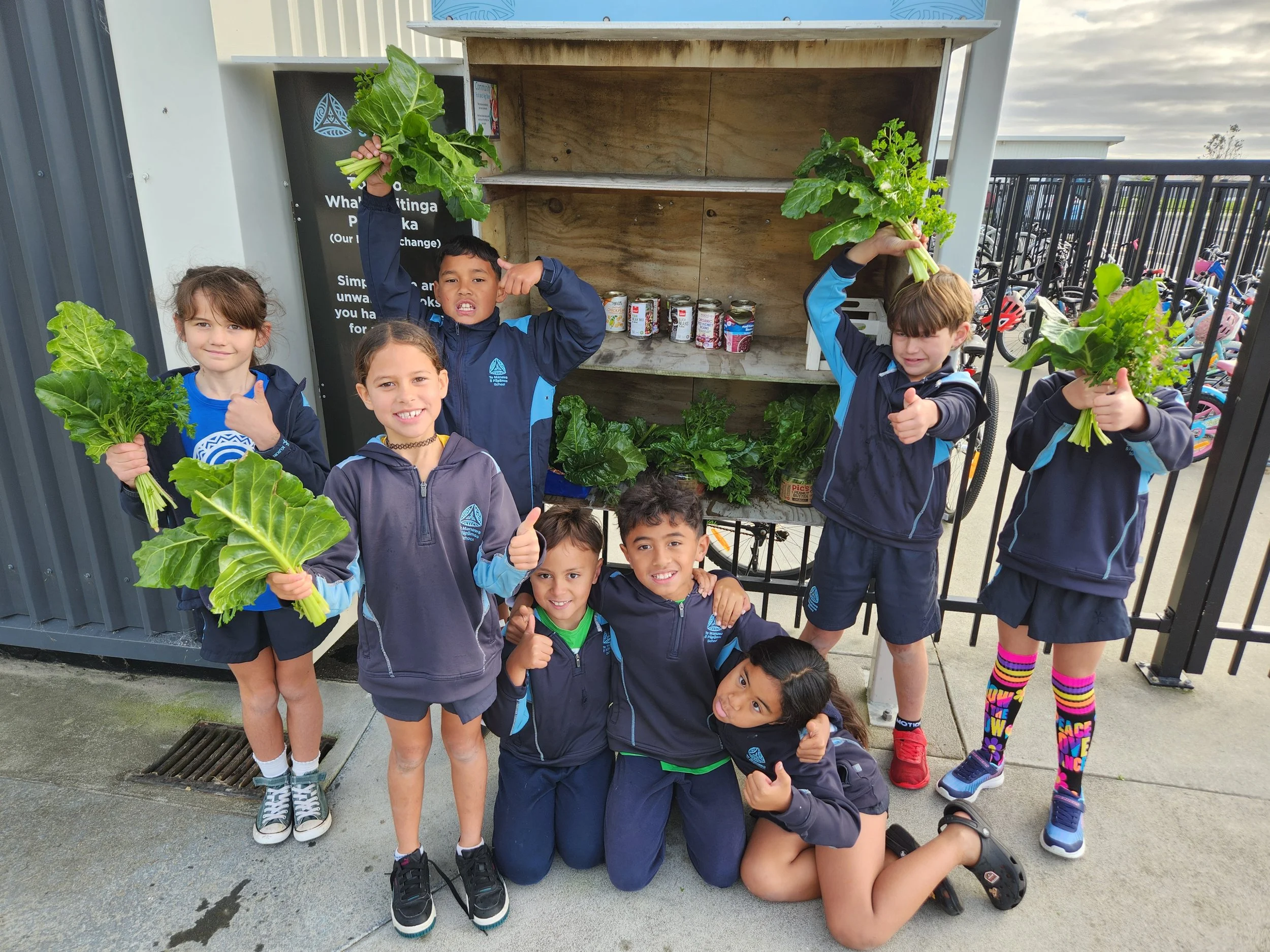
We planted a wide variety of winter vegetables into our gardens including broccoli, cauliflower, bok choy, lettuce, cabbage, coriander, carrots, broad beans, peas, and parsley. We also continued harvesting our kūmara crop, celebrating the rewards of months of care and patience.
As every gardener knows, we weren't the only ones excited about the new seedlings! Slugs and snails quickly appeared, creating a real challenge for our young gardeners. Many dedicated students spent their playtimes searching for these hungry visitors, helping to protect the garden. We also explored environmentally friendly ways to reduce the damage by setting simple slug traps using yeast, sugar, and water, and placing wool and copper rings around young plants to deter pests.
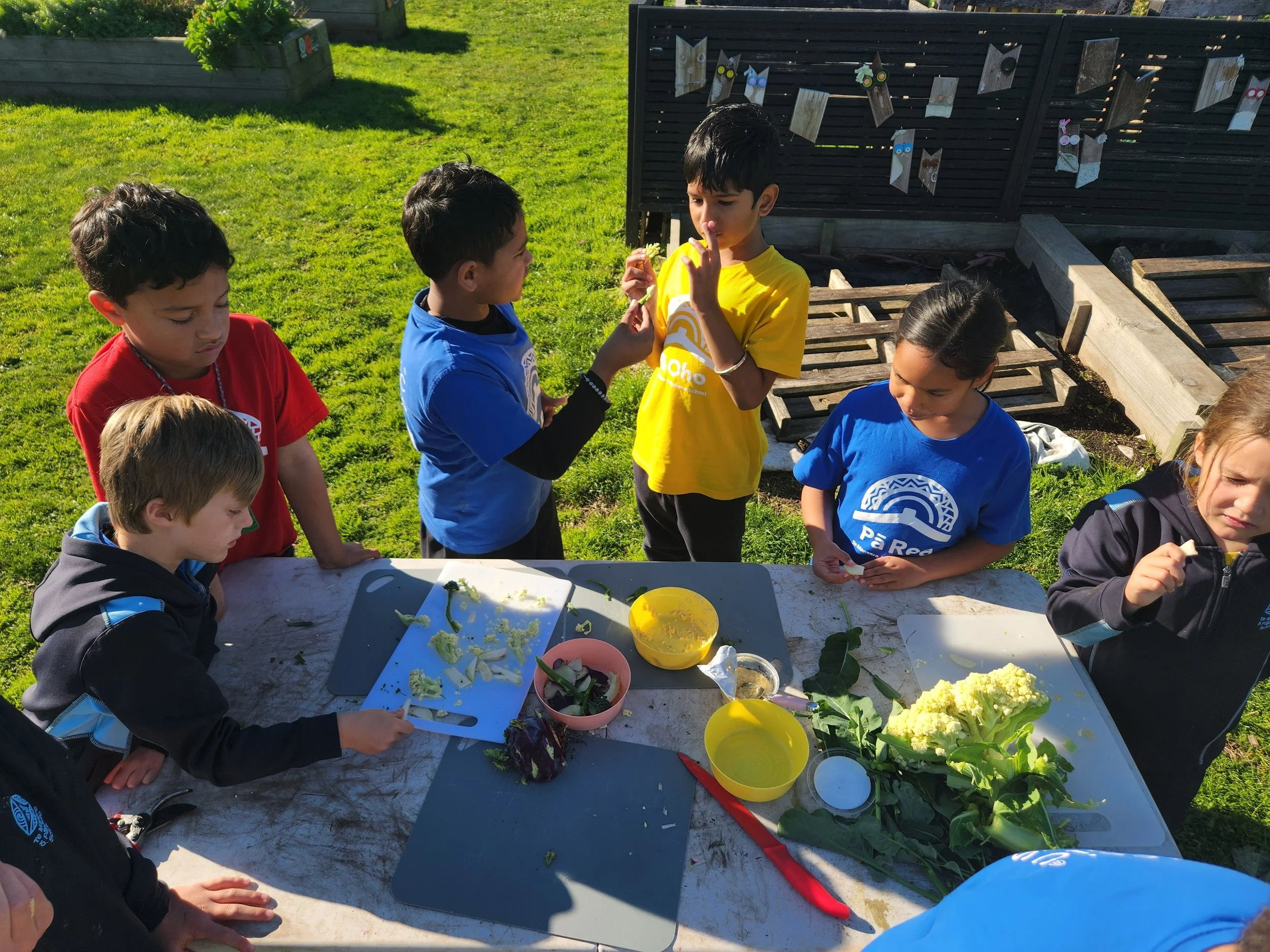
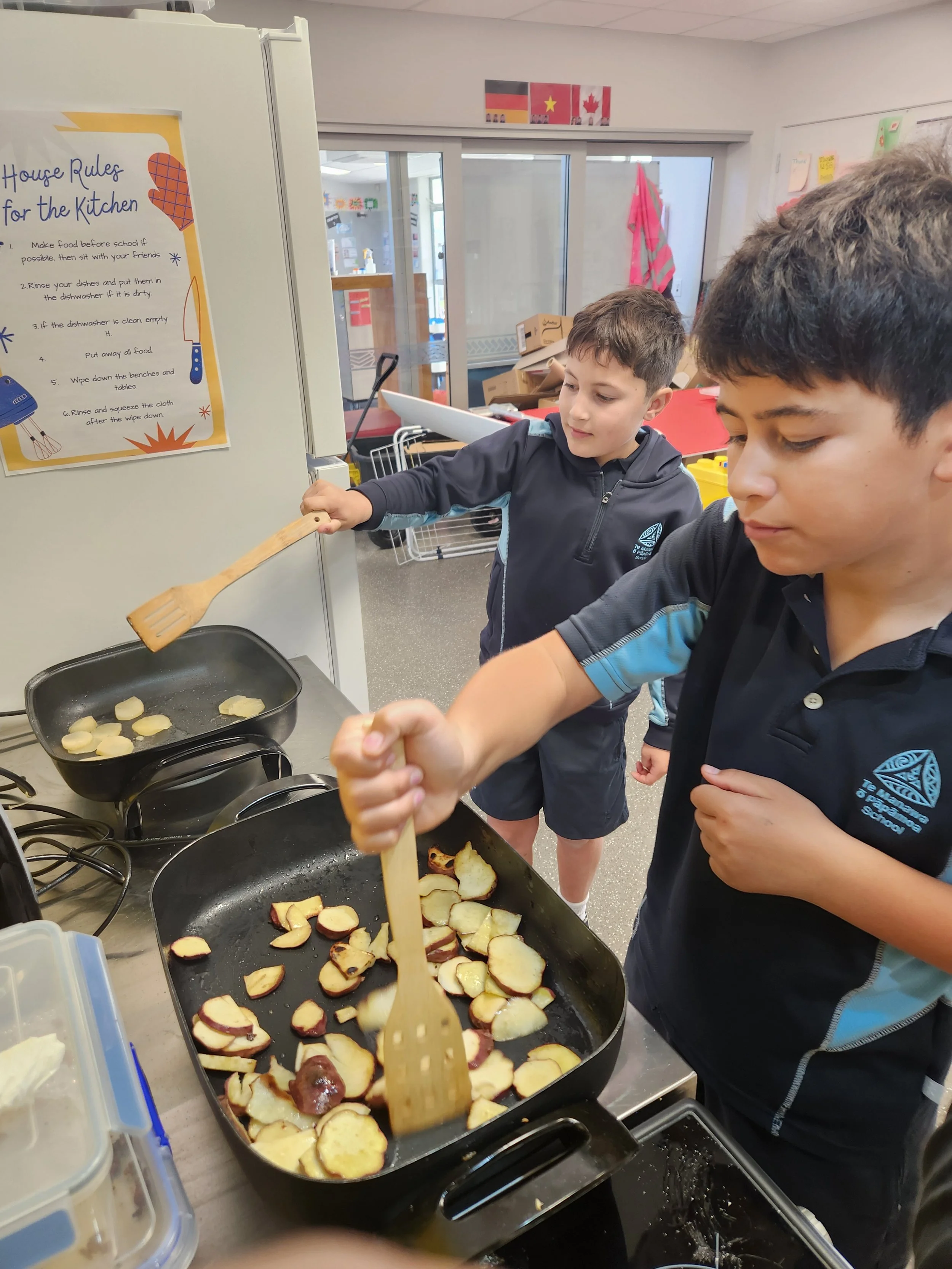
One of the highlights of the term was harvesting, cooking, and tasting the incredible variety of food grown in our gardens. Students made crispy kūmara and yacon chips, sampled fresh raw yacon—a sweet, juicy root vegetable from South America with a flavour similar to apple or pear—and enjoyed freshly harvested broccoli, cauliflower, and kohlrabi. Trying new foods grown with their own hands helps build confidence, sparks curiosity, encourages healthy eating habits, and strengthens students' connection to where their food comes from.
This term also saw students helping to green the school grounds by planting native species. Flax was planted around the new pump track, while mānuka and koromiko seedlings—grown from seed collected by students at Te Rae o Pāpāmoa—were planted behind the school courts. It was rewarding for students to see the full journey from collecting seed to growing and finally planting young native trees back into the landscape.
To finish the term, students took part in the New Zealand Garden Bird Survey, spending time observing and counting the birds visiting our school grounds. This citizen science project helps researchers understand how New Zealand's garden bird populations are changing over time while encouraging students to slow down, observe, and appreciate the wildlife around them.
It's been another wonderful term of learning, growing, and giving back. We look forward to seeing what the gardens have in store next term!