Term 3 - Growing, Learning and Sharing in the Garden
Term 3 has been a busy and productive season in our school garden, with plenty of planting, harvesting, learning and sharing.
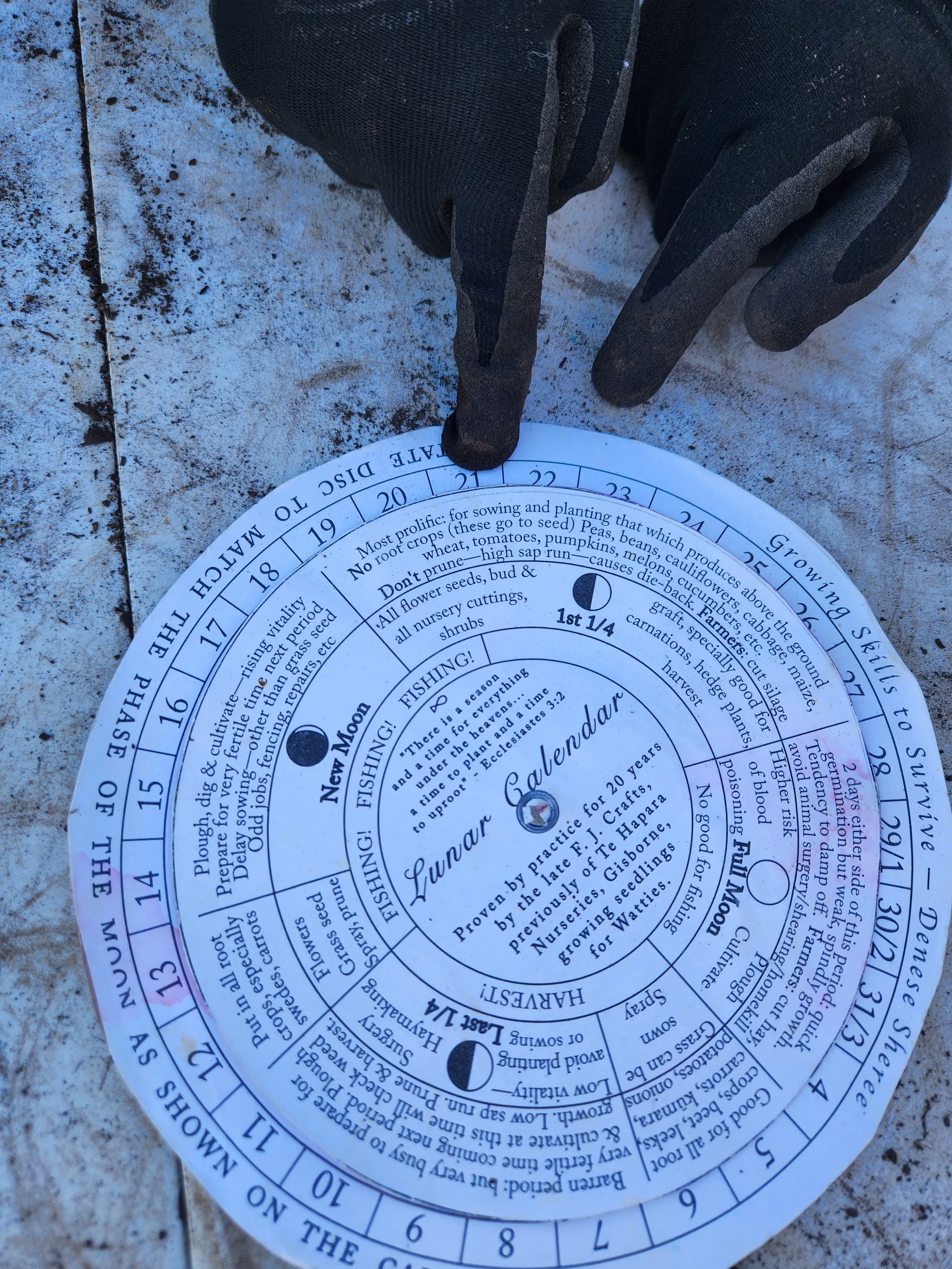
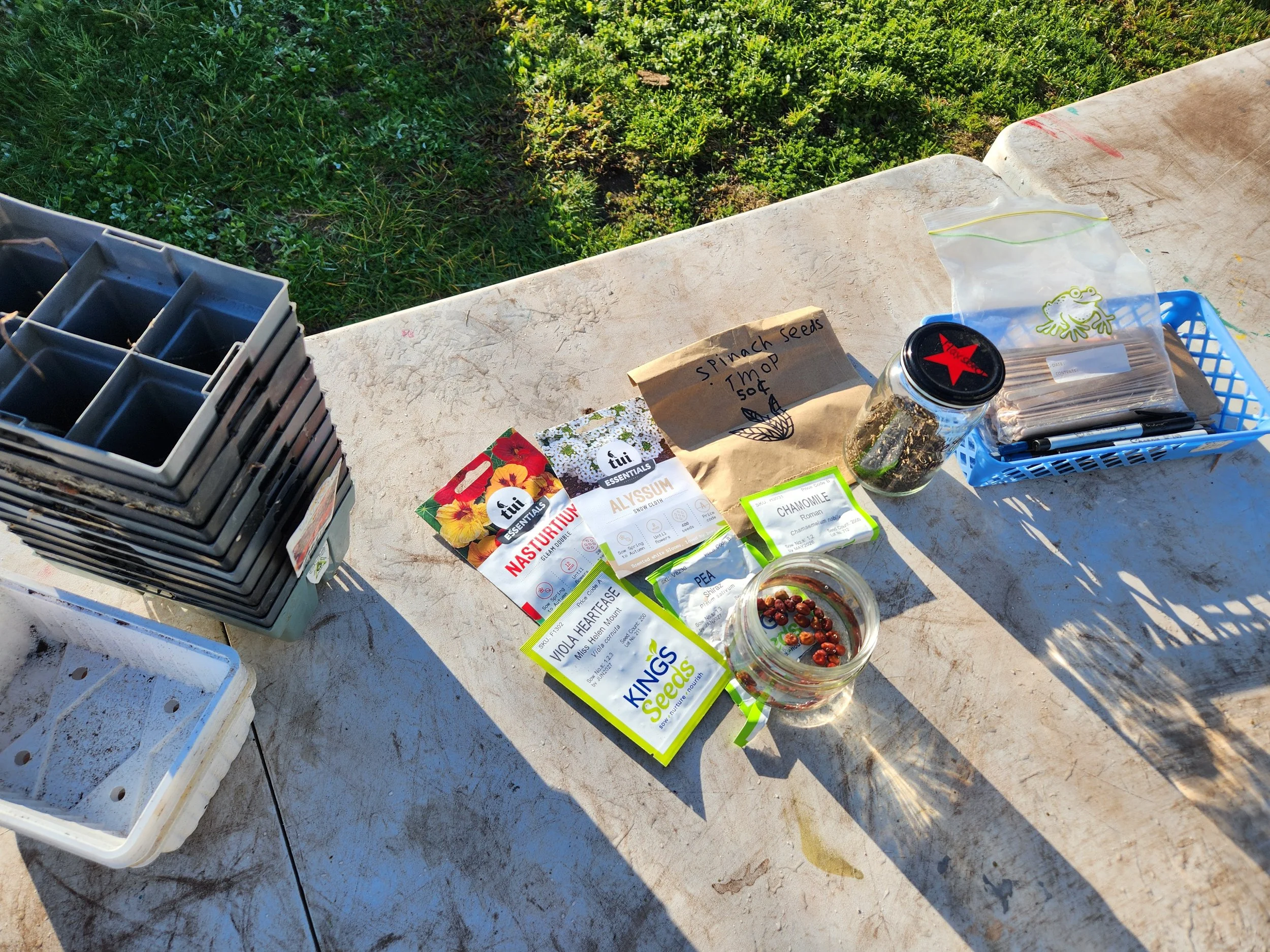
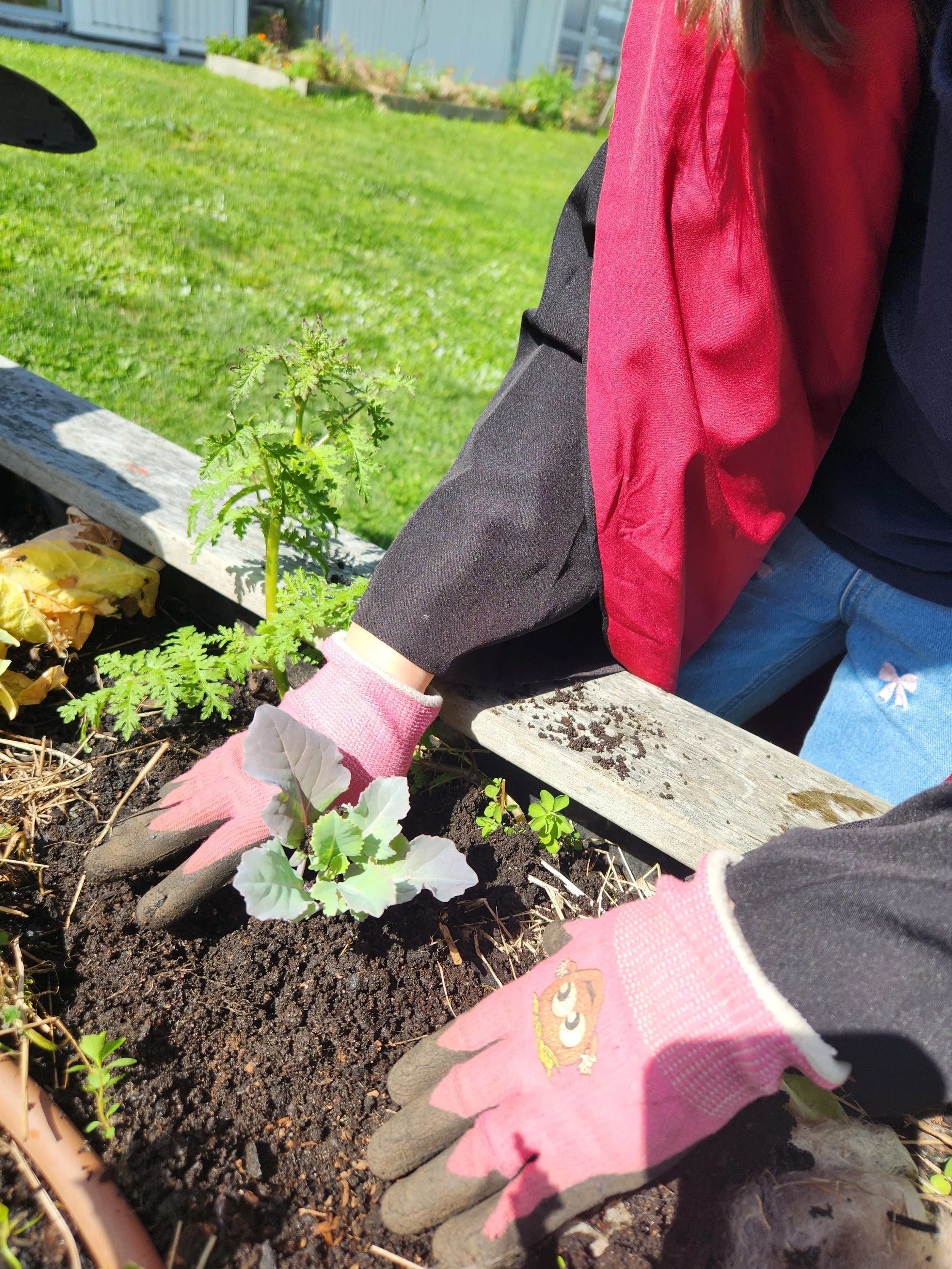
We continued to use the maramataka (moon calendar) to help us time our sowing and planting. Students planted a wide range of seeds including nasturtiums, violas, alyssum, spinach, peas, chamomile, lettuce, coriander, leeks, broccoli, cauliflower and cabbage. As the weather warmed towards the end of the term, we also began sowing our summer crops in the greenhouse, including cucumber, zucchini, tomatoes, basil, gourds, beans and marigolds.
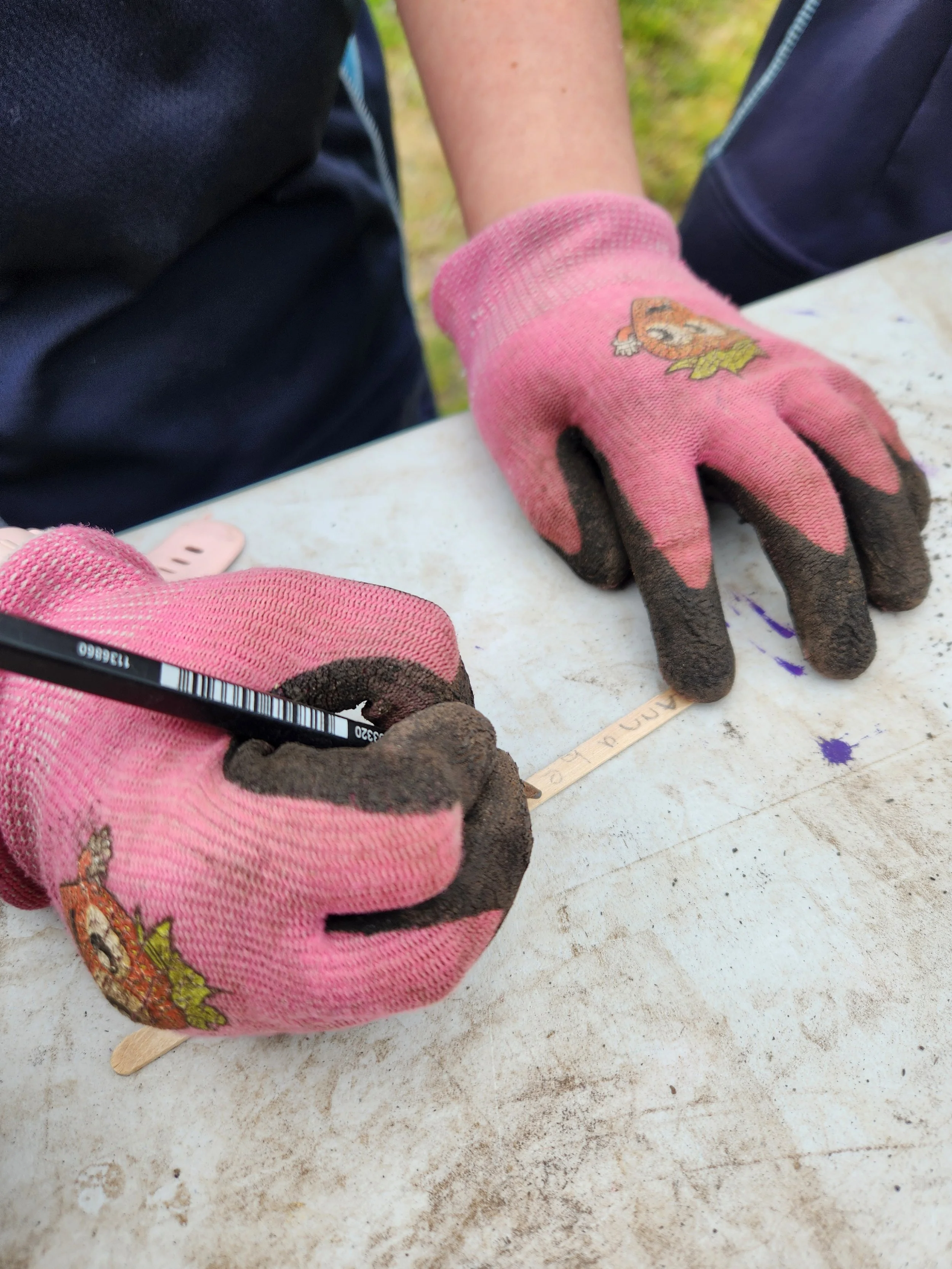
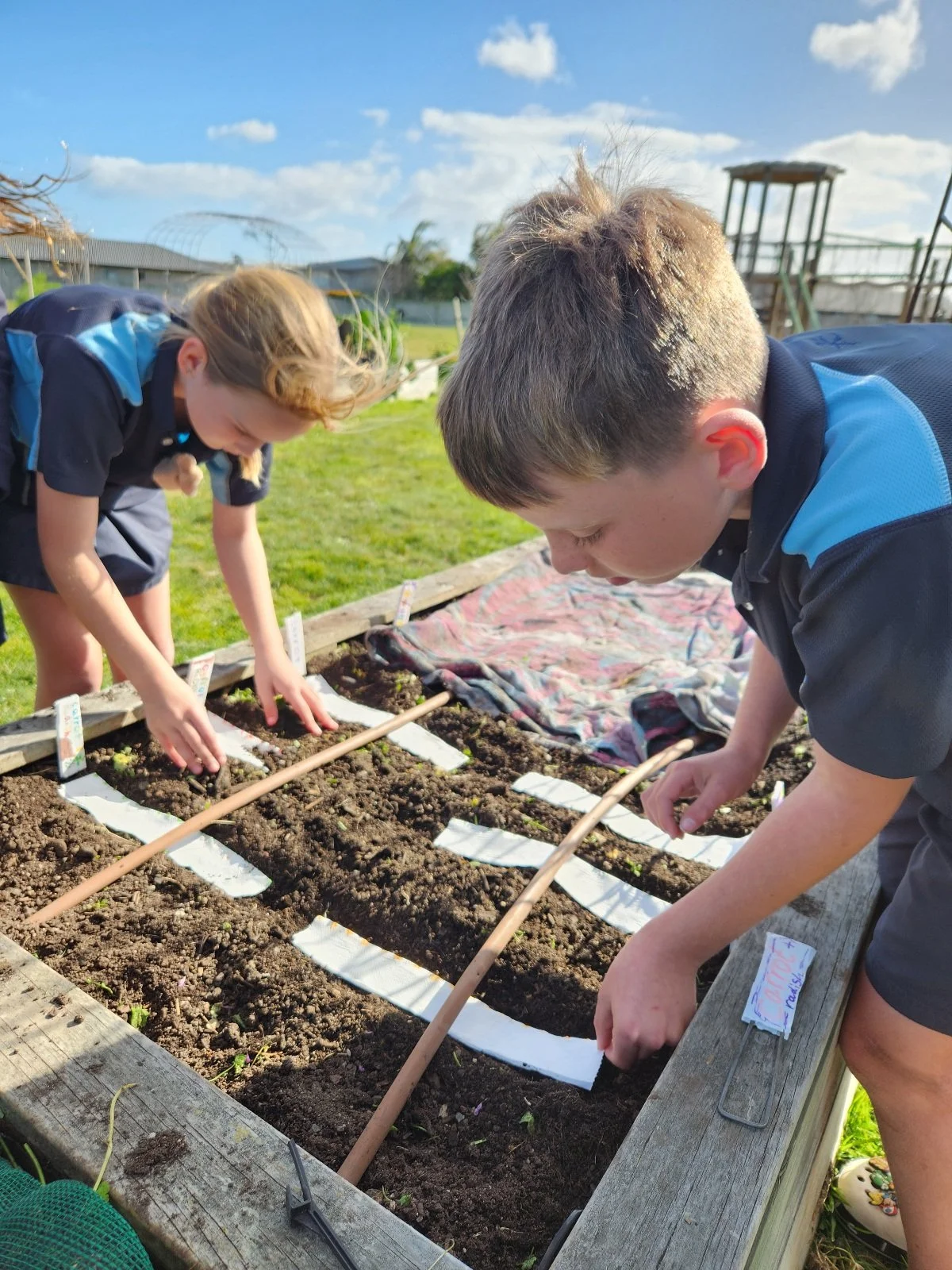
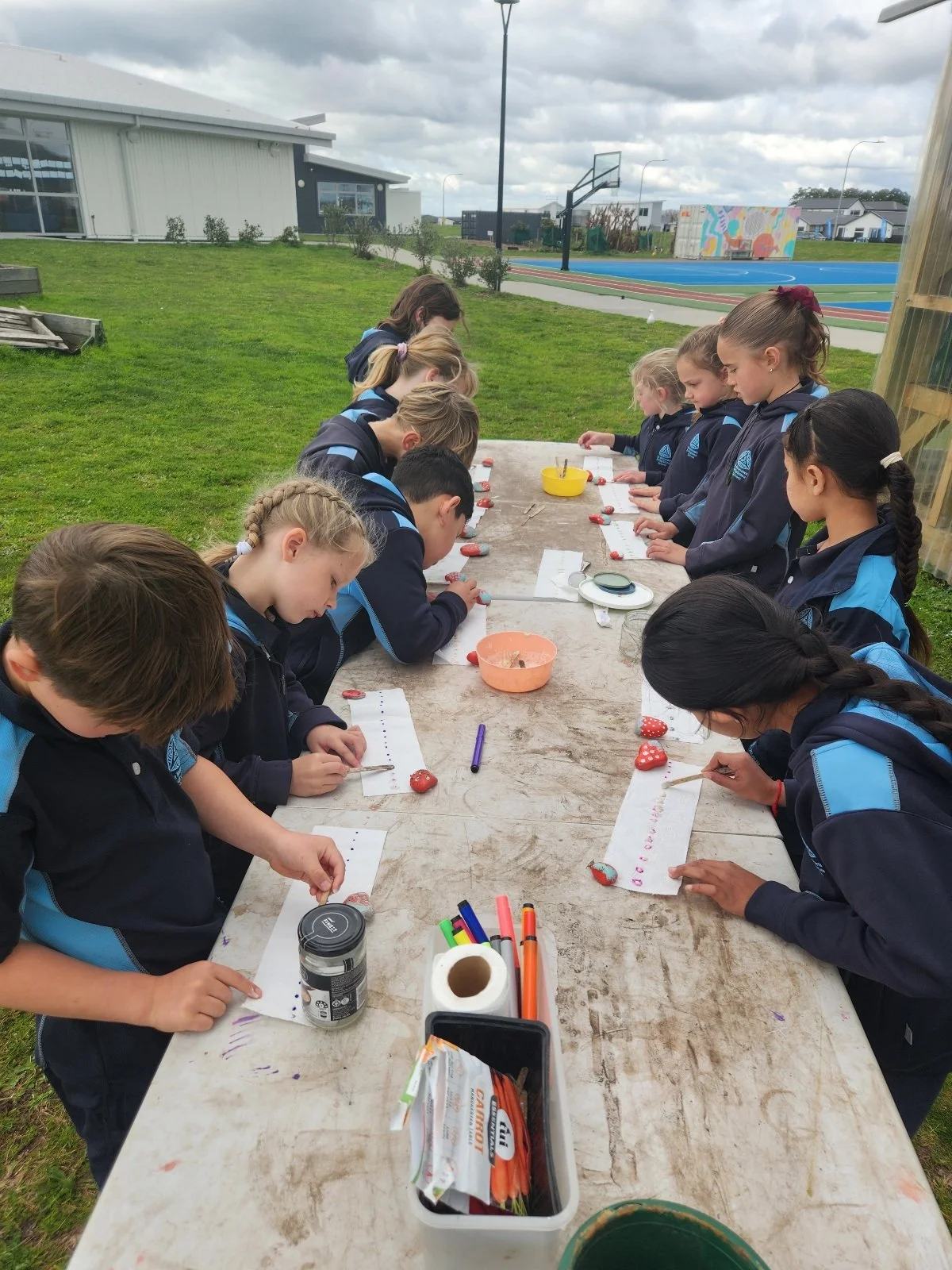
Our focus this term was on growing more carrots and radishes. Students made seed tape using toilet paper and a simple flour-and-water glue to help space the seeds and reduce the need for thinning. We learned that carrots can take 3–4 weeks to germinate and around 12–14 weeks to mature, while radishes germinate in about a week and can be ready to harvest in around six weeks. Planting them together means the radishes can be harvested first, giving the carrots more room to grow.
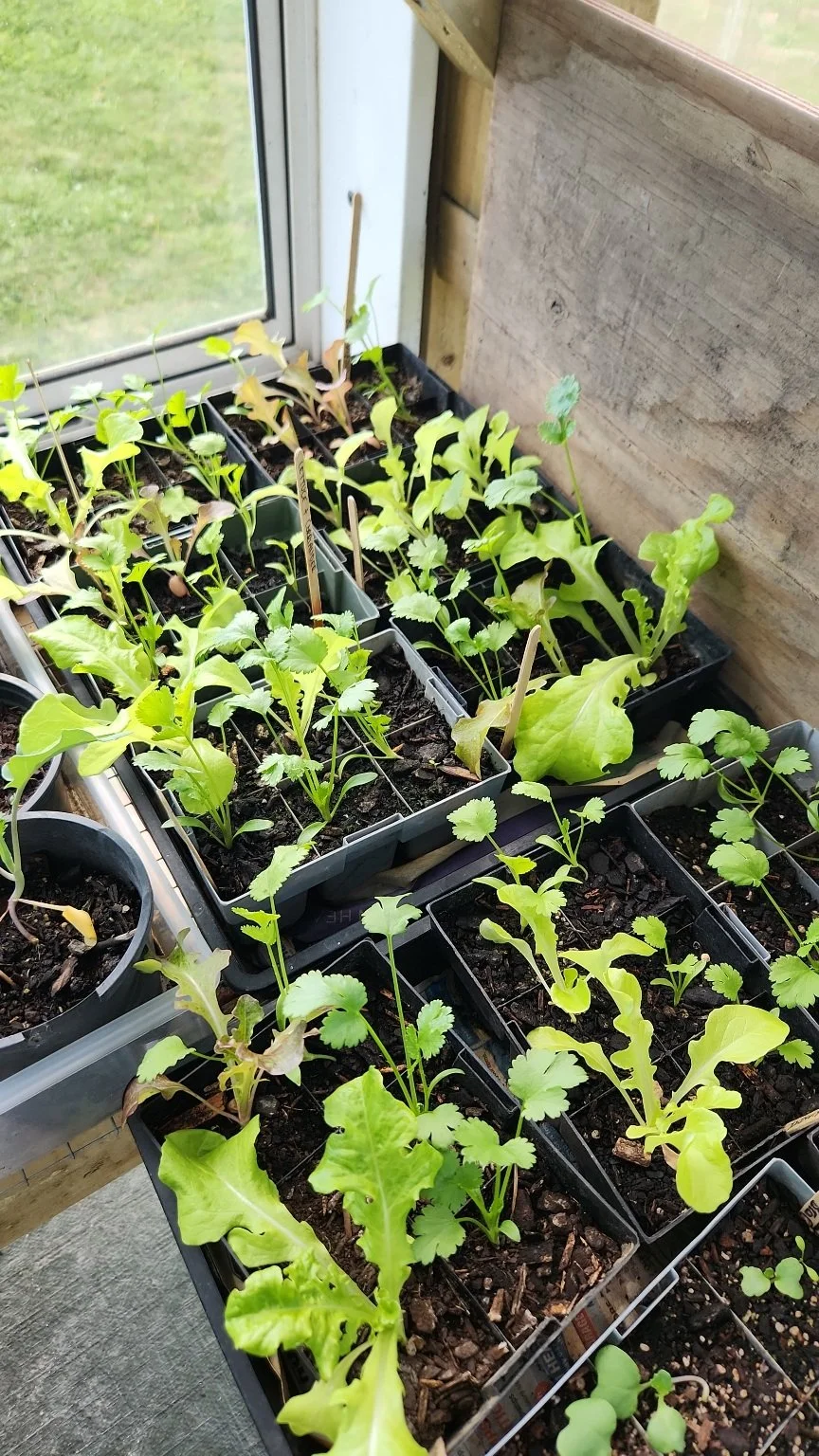
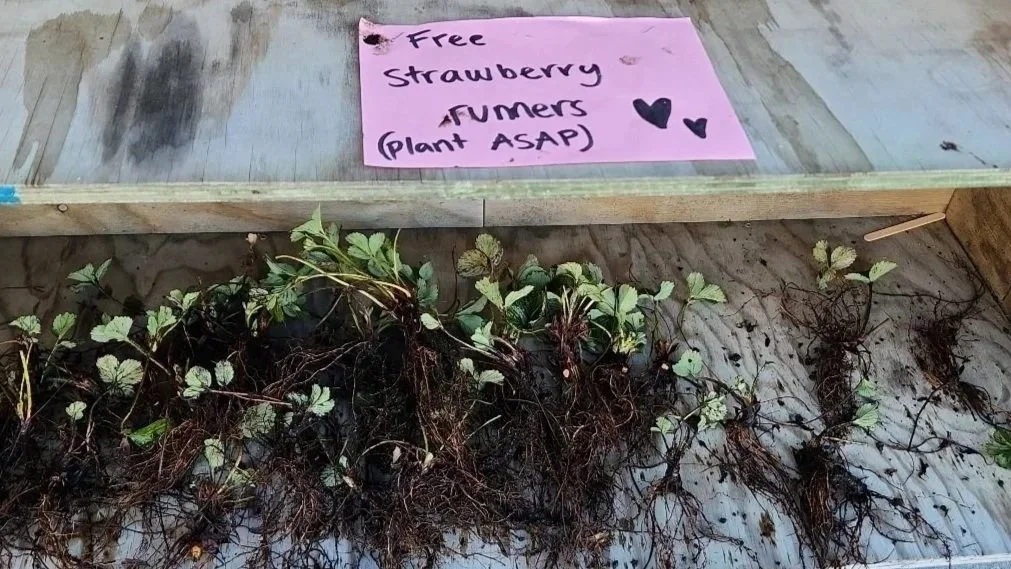
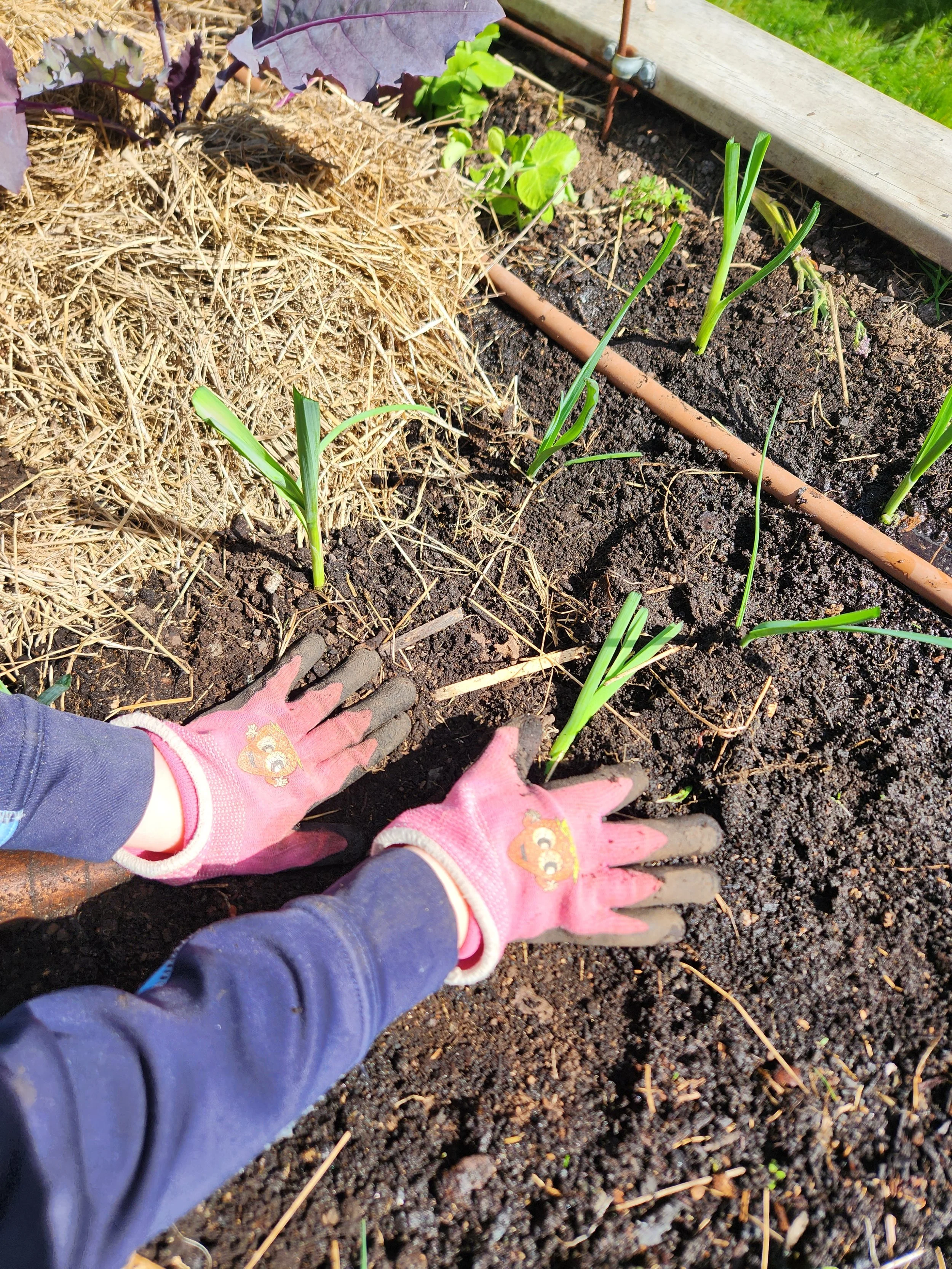
We also gave our strawberries some special attention. The old strawberry bed was emptied, with students taking runner plants home and many more being shared through the Pātaka Kai. Last term we had potted up many of the strawberry runners and kept them inthe greenhouse to grow strong roots, these were now ready to be planted into a freshly prepared bed using beautiful compost from Te Puke Landscaping Supplies, sheep pellets and organic fertiliser. We have been removing the flowers for now so the plants can put their energy into developing strong roots and healthy plants before fruiting this summer.
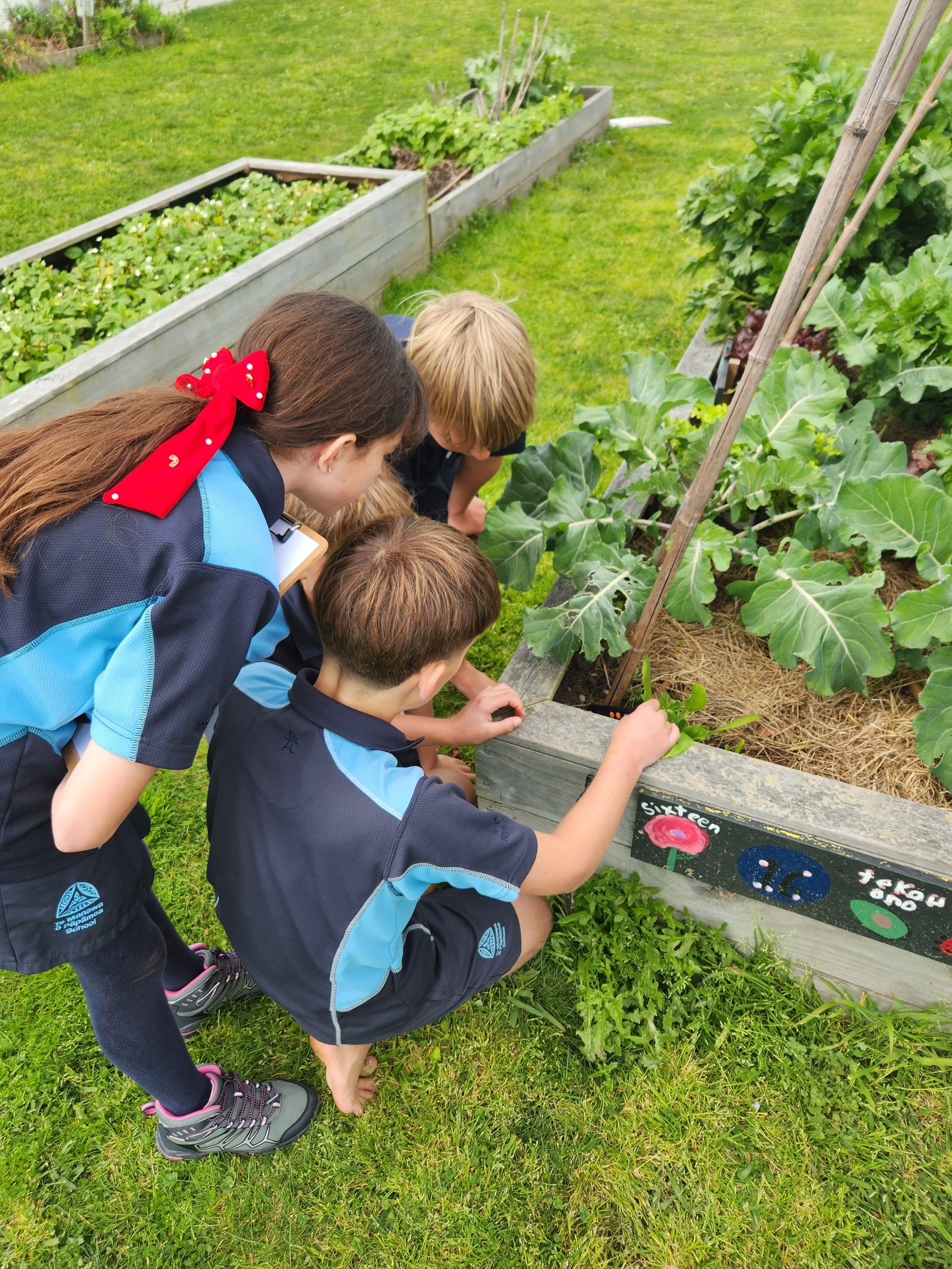
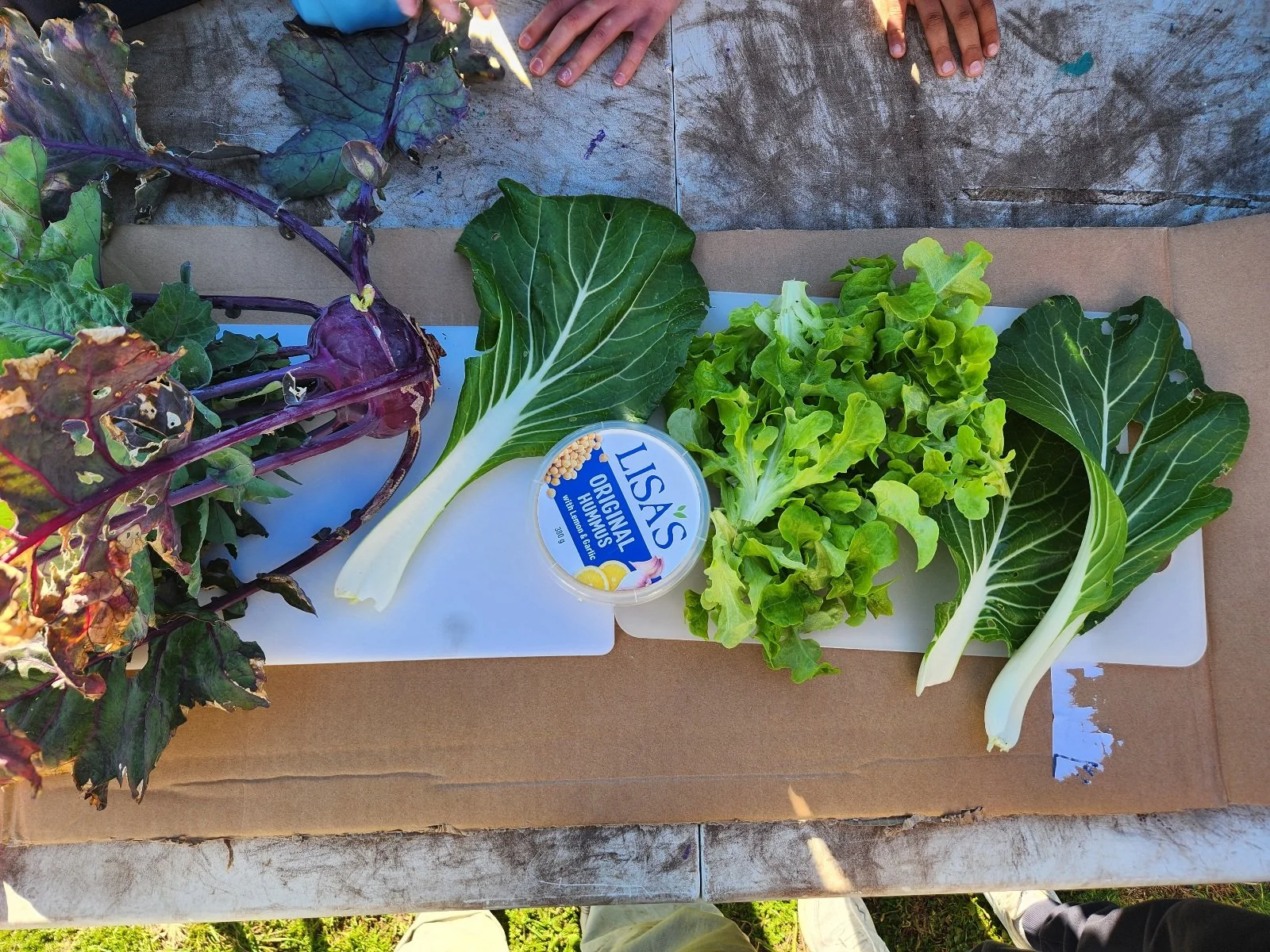
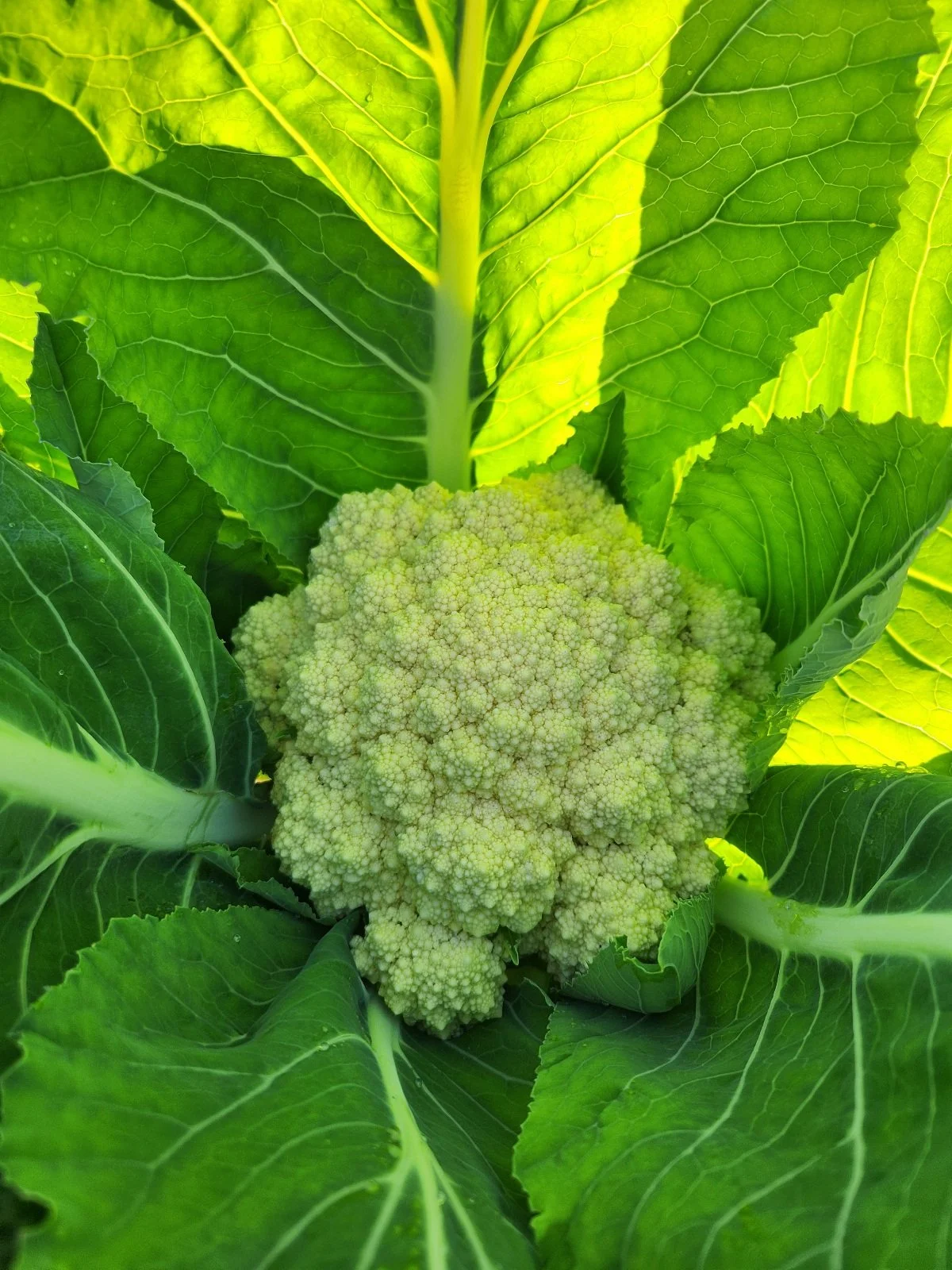
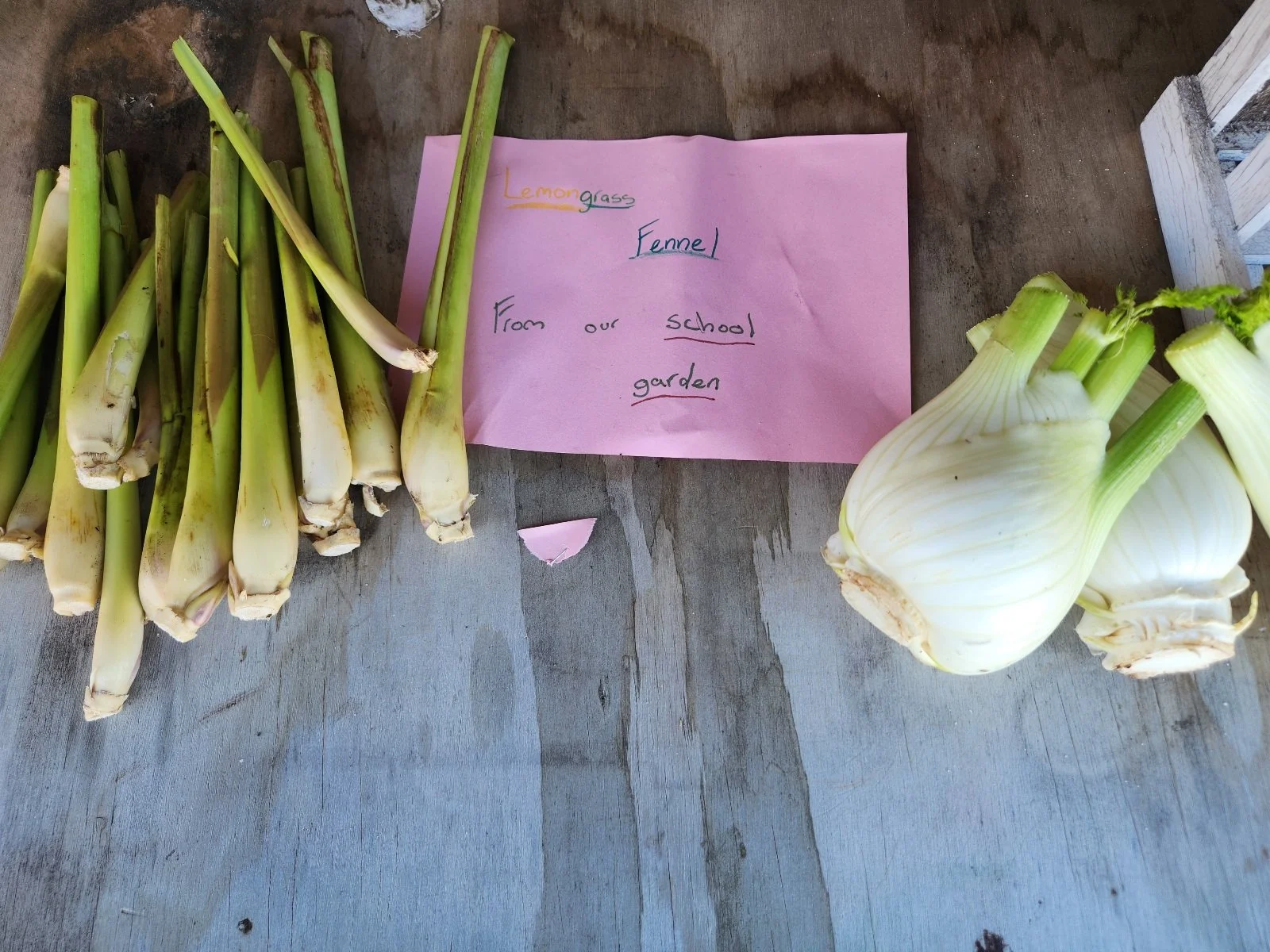
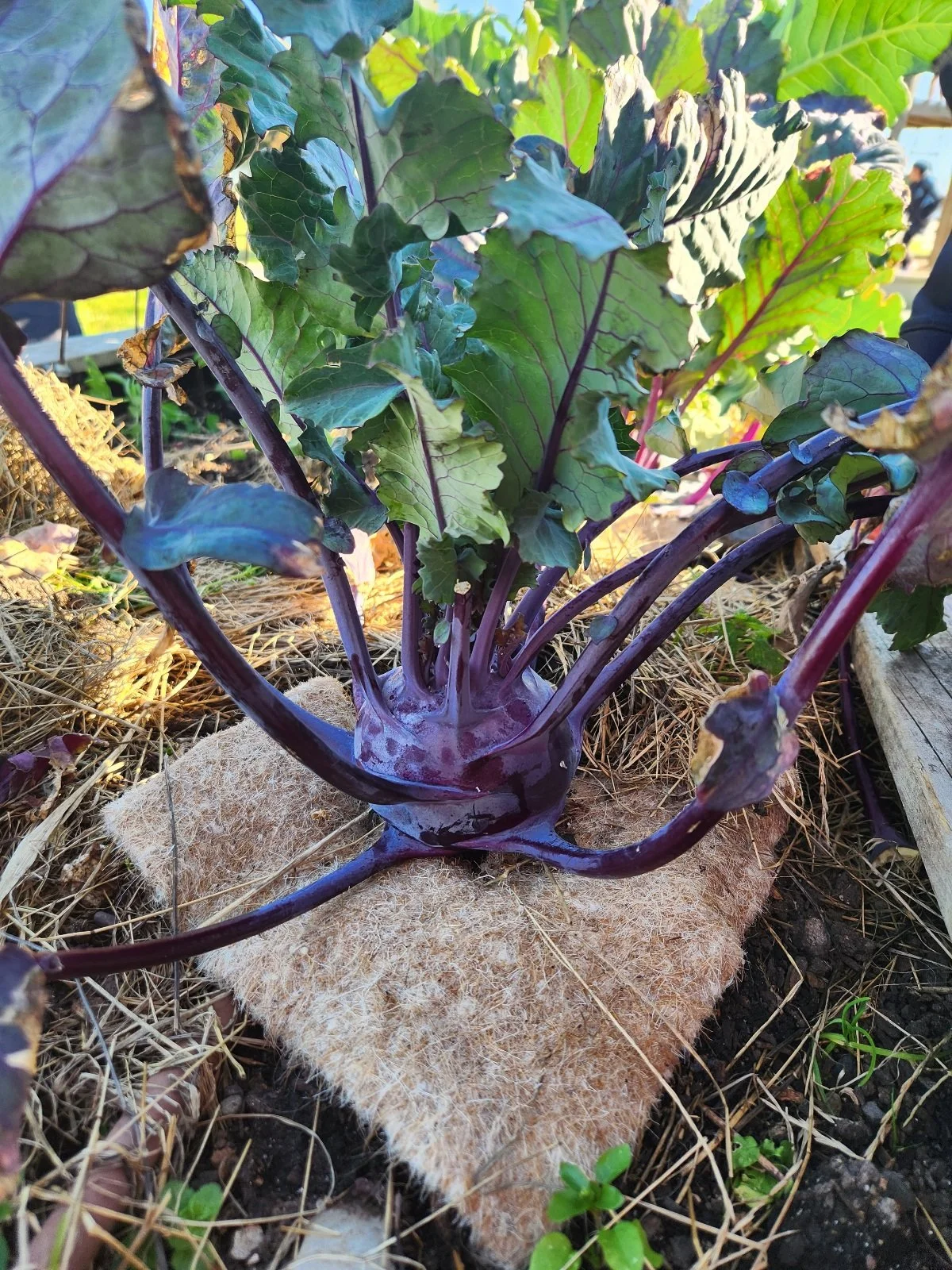
There has been plenty of fresh kai to enjoy too. Students harvested bok choy, lettuce, kohlrabi, green and purple broccoli and cauliflower. A favourite was making little vegetable roll-ups with hummus. Fennel and lemongrass were also harvested and added to the Pātaka Kai for our wider school community.
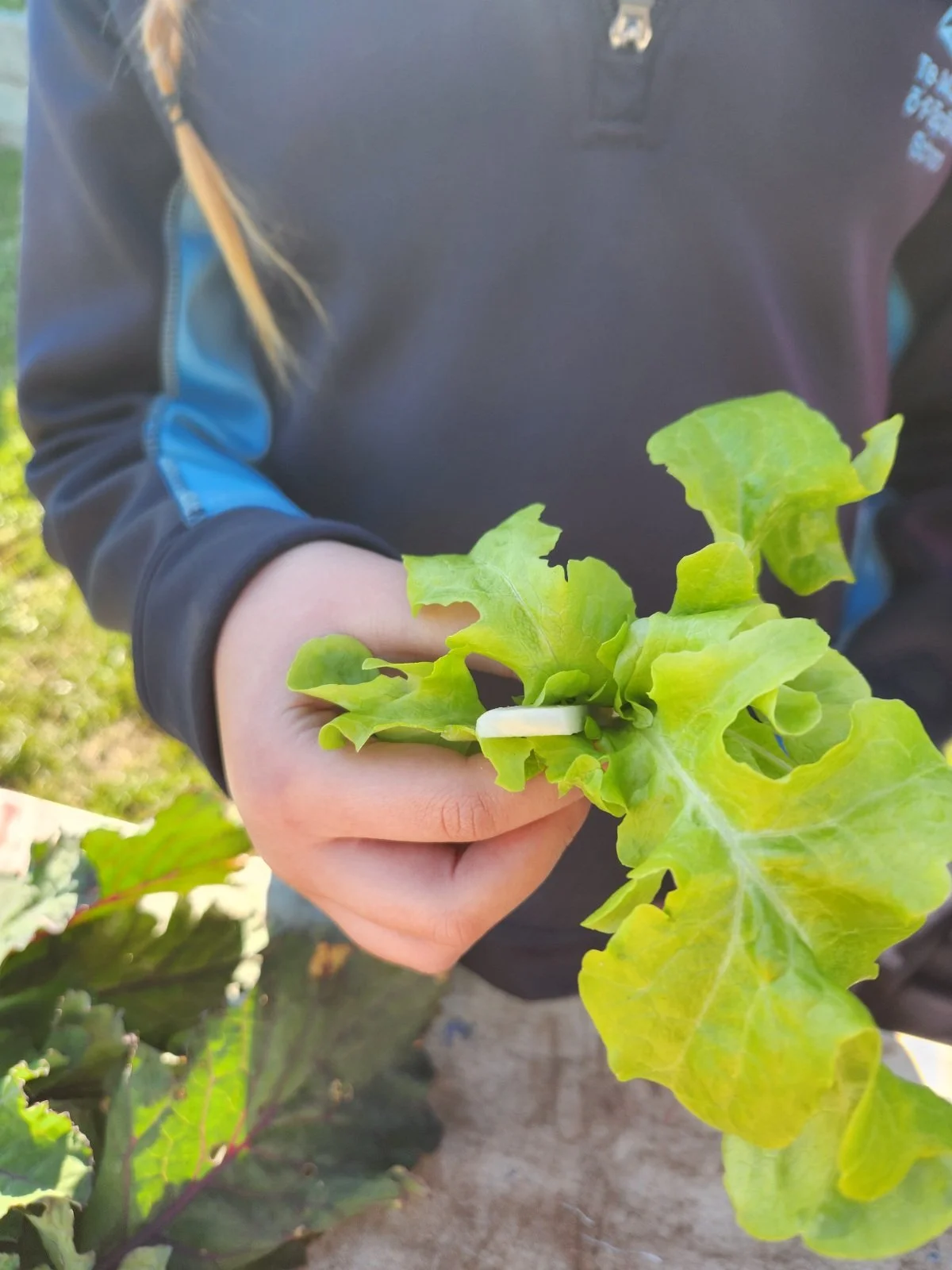
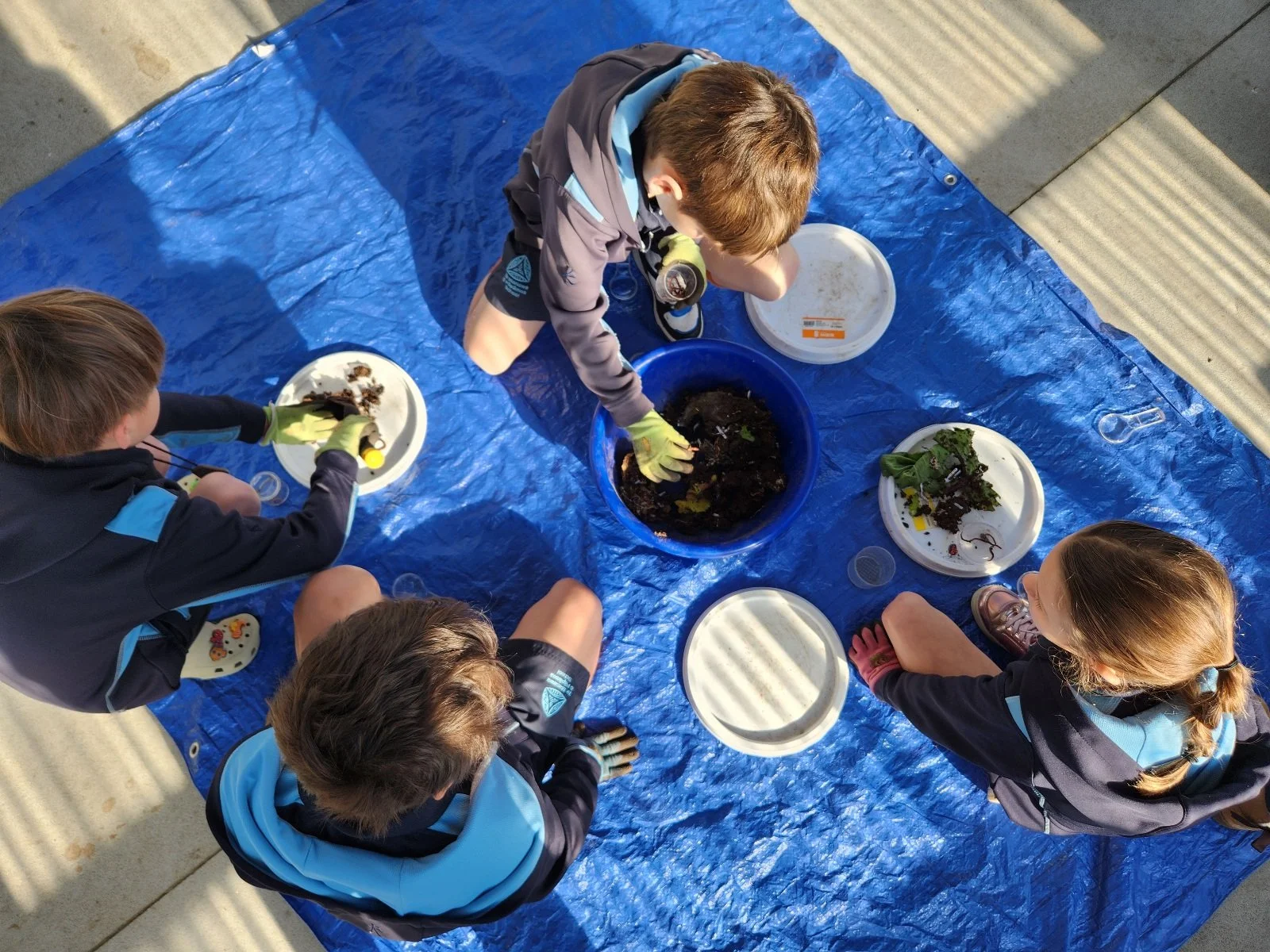
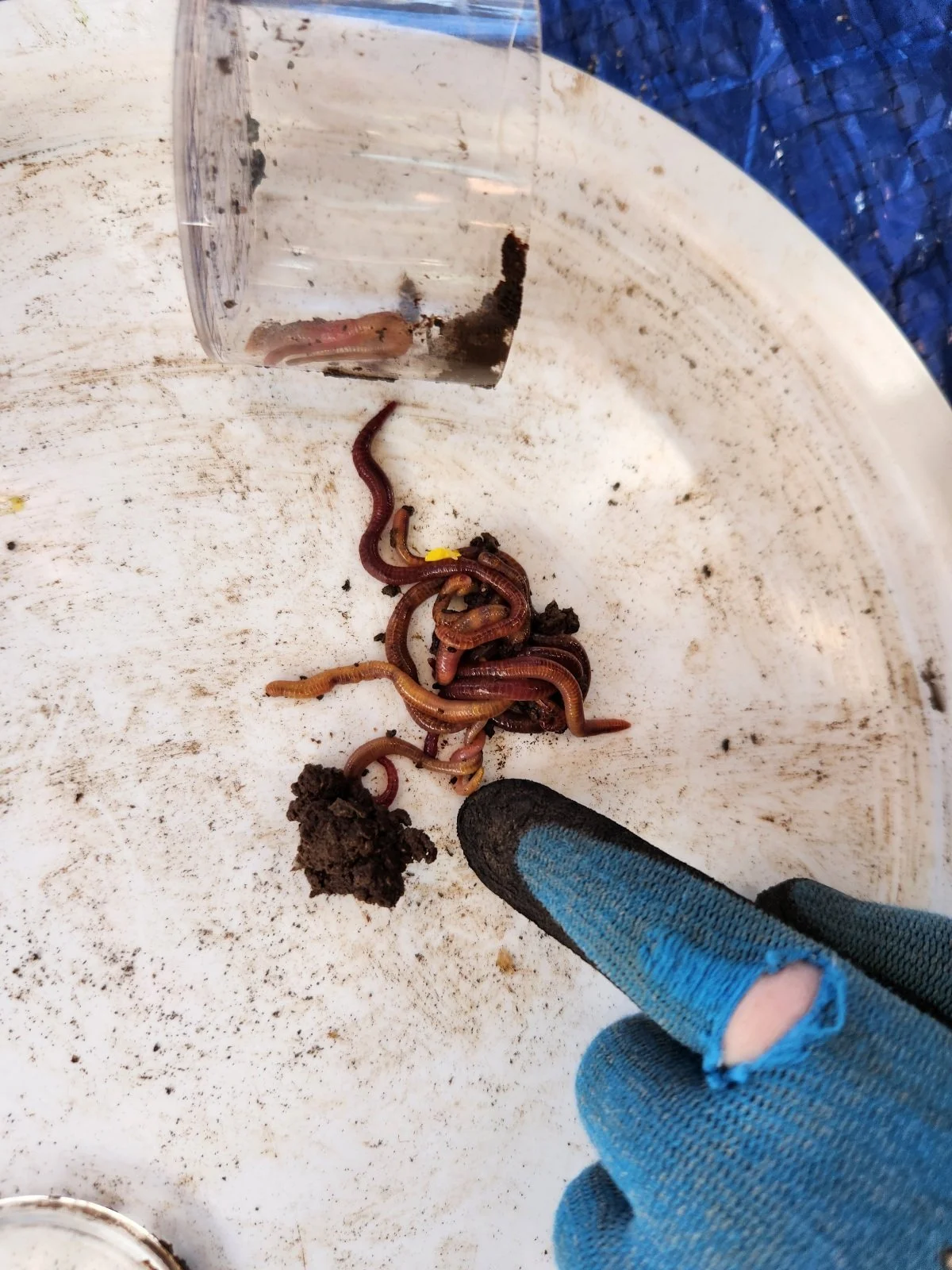
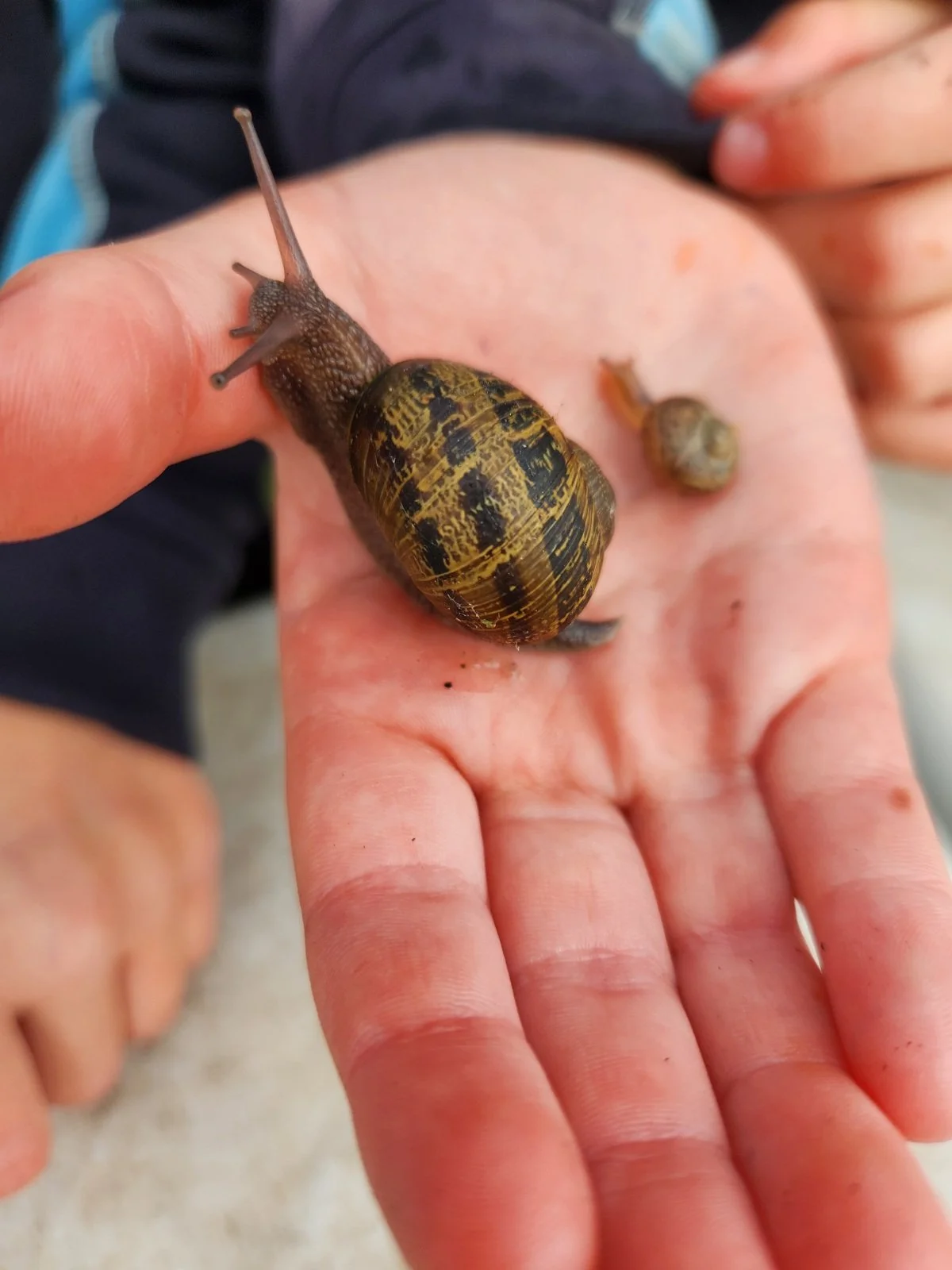
Our Manawa Hou students — our new entrants and Year 1 students — spent time learning about the garden and what it means to be kaitiaki. They learned the importance of caring for our plants and not picking flowers, fruit or vegetables without permission. They particularly enjoyed exploring the worm farm and discovering all the tiny creatures living there, before taking home a bag of garden produce to share with their whānau.
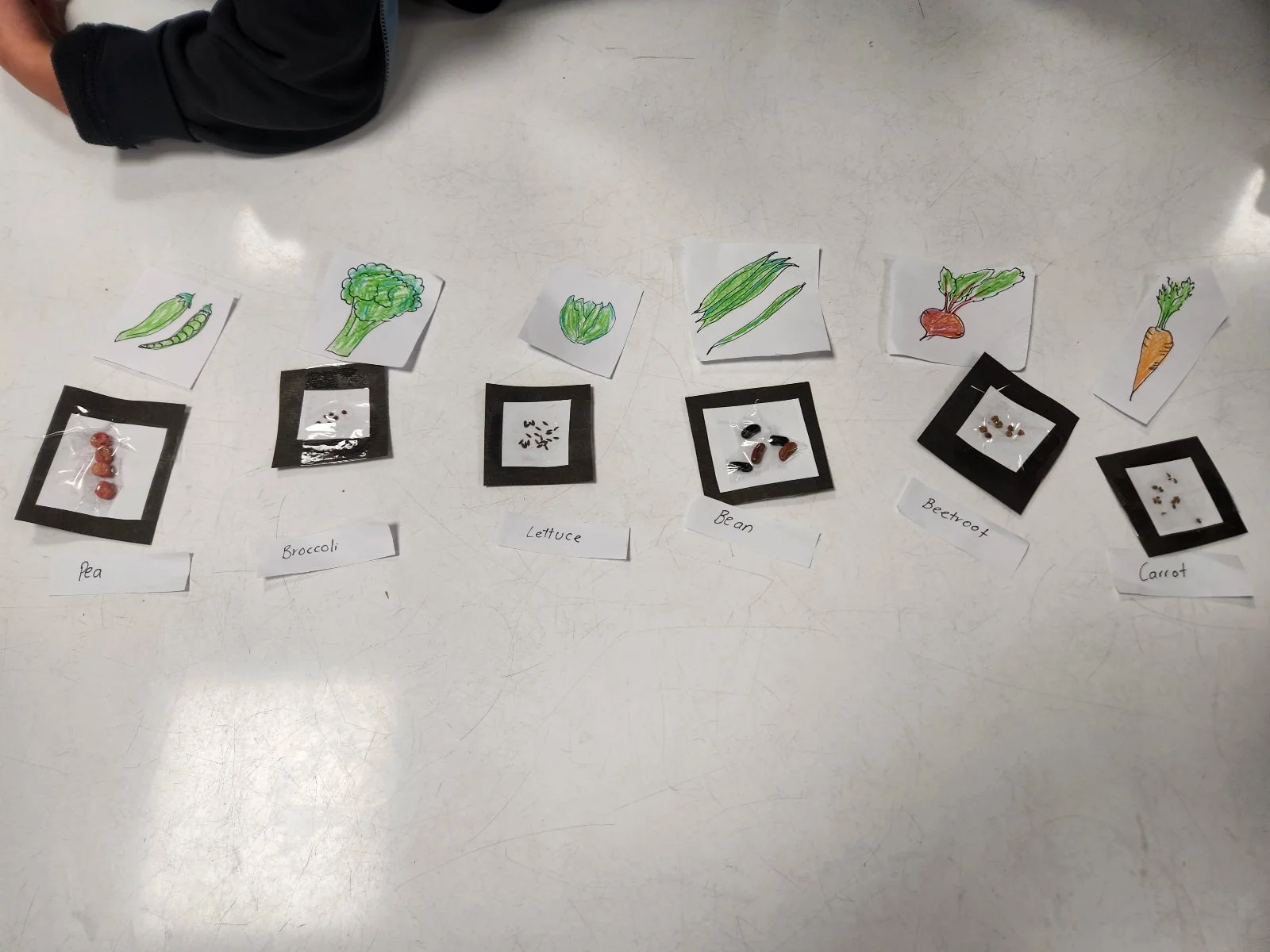
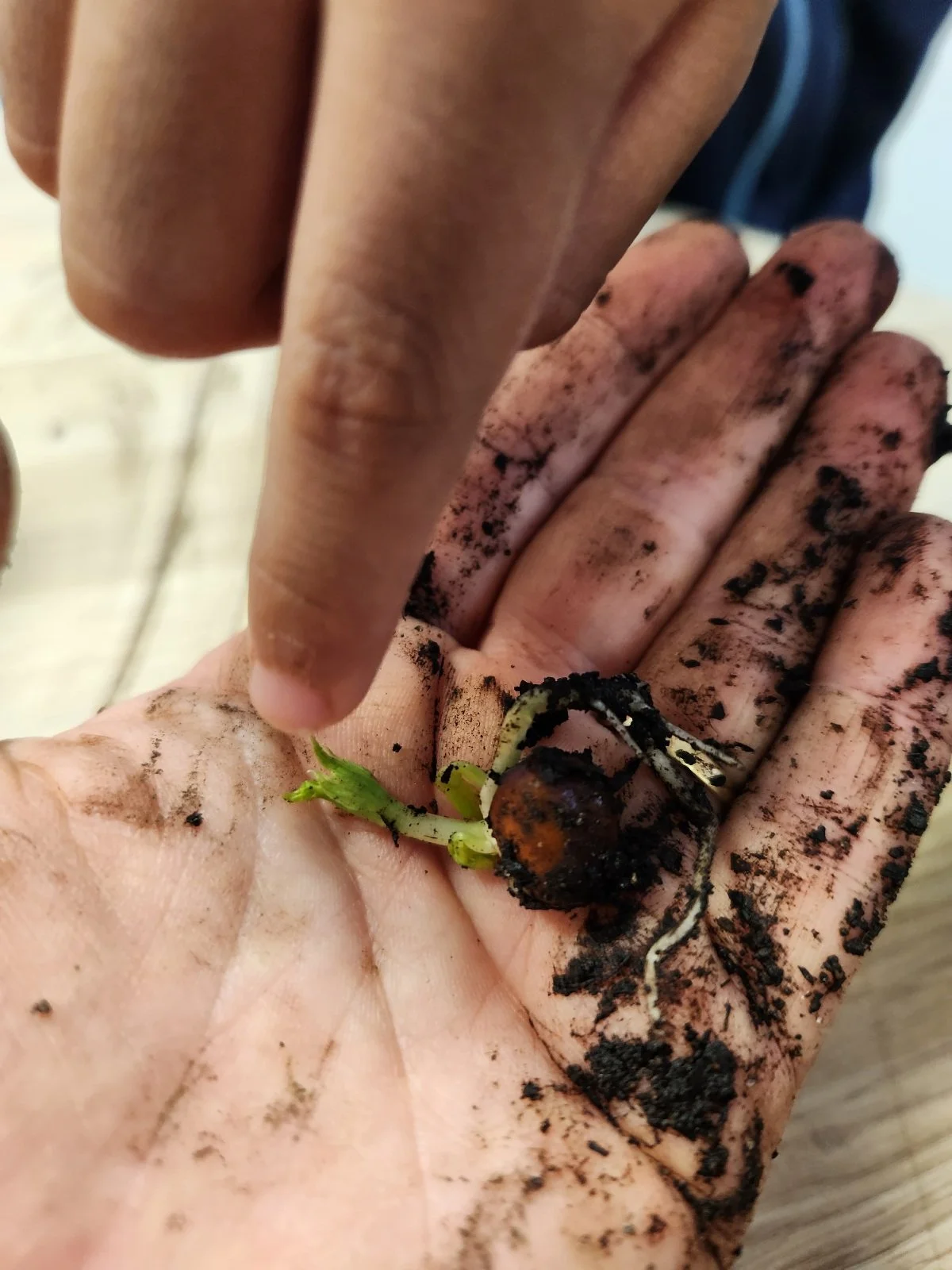
On a particularly rainy day, we brought our learning indoors and explored the fascinating world of seeds. Students matched seeds to the plants they came from and discovered just how much can grow from one tiny seed. We also germinated plenty of pea seeds ready to plant out in the garden.
We have also been growing native plants from locally collected seed. Earlier in the year, Te Arawa students worked with Angus from TCC to collect native seeds, including Pōhutukawa, Wiwi and Giant Umbrella Sedge. We have now sown these into trays, along with seeds collected two years ago from Papamoa Hills. We are excited to see what germinates, with the hope of eventually planting these around our school and back into the community.
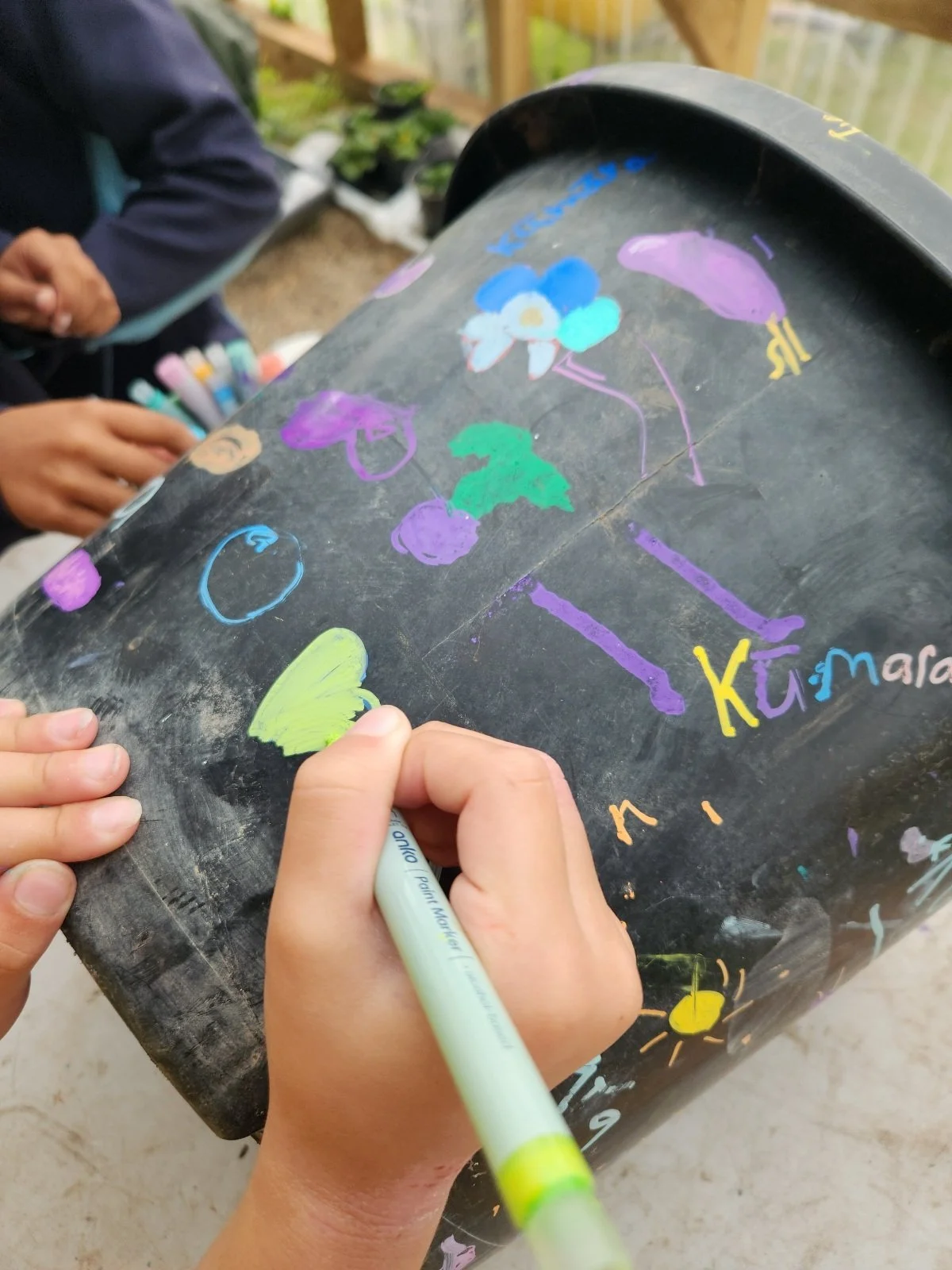
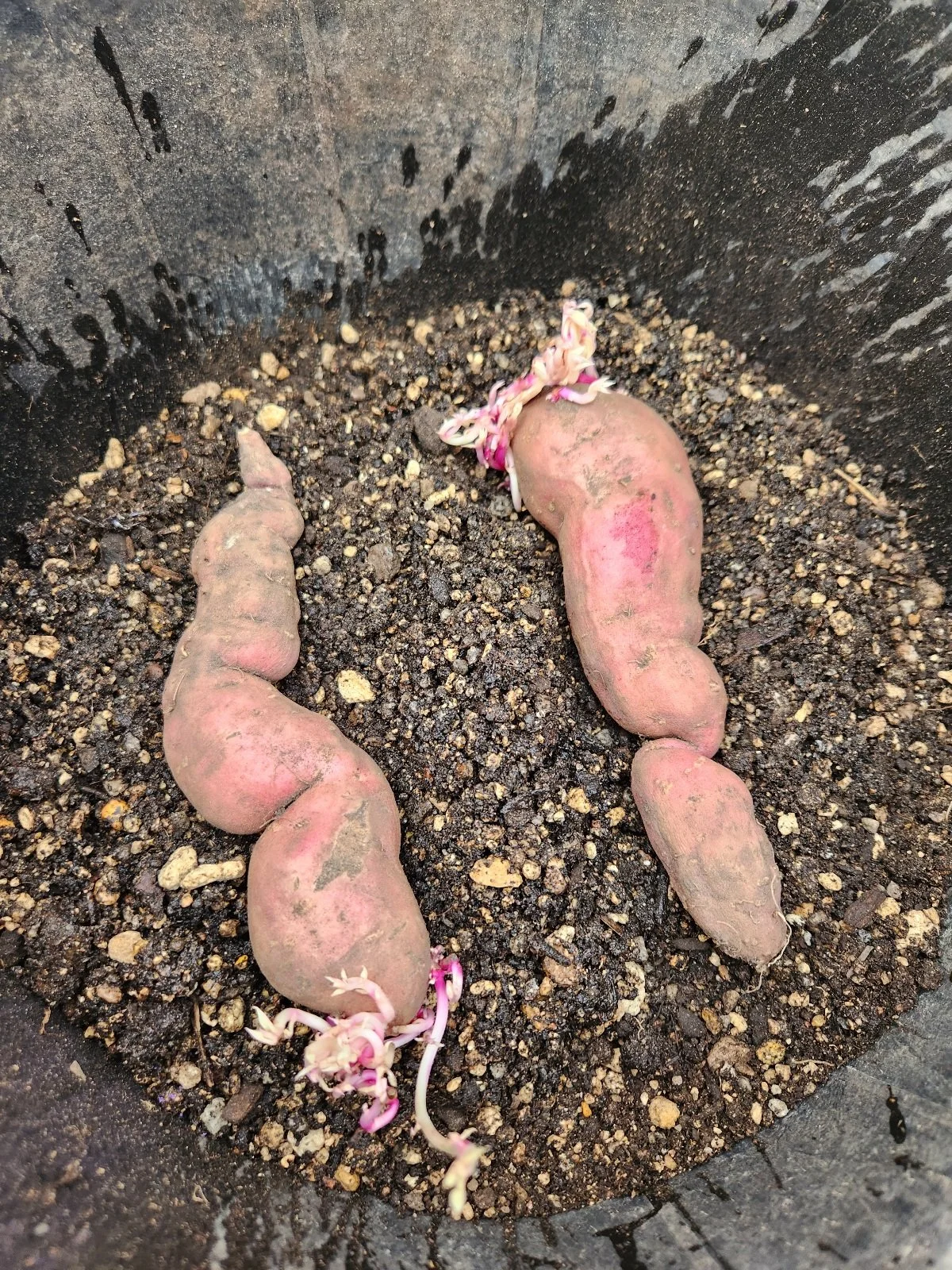
Another important project this term has been preparing our kūmara mothers. Students decorated pots before filling them with pumice and old potting mix. We carefully laid in some of last year's kūmara and covered them lightly. These will grow shoots, or tipu, over the next few months in the warmth of the greenhouse. Next term, we will separate the tipu from the mother kūmara and plant them into the garden to grow our next crop.
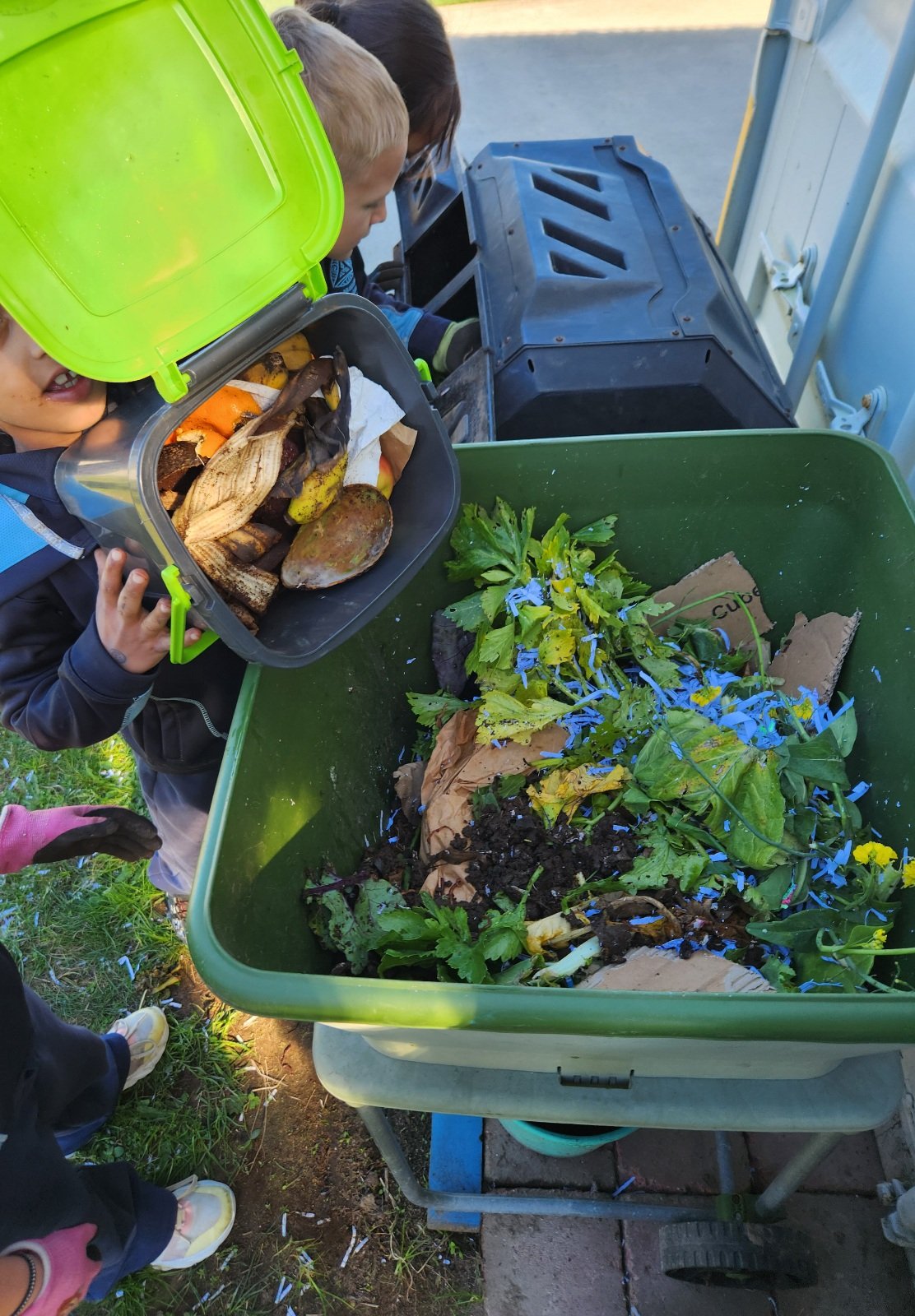
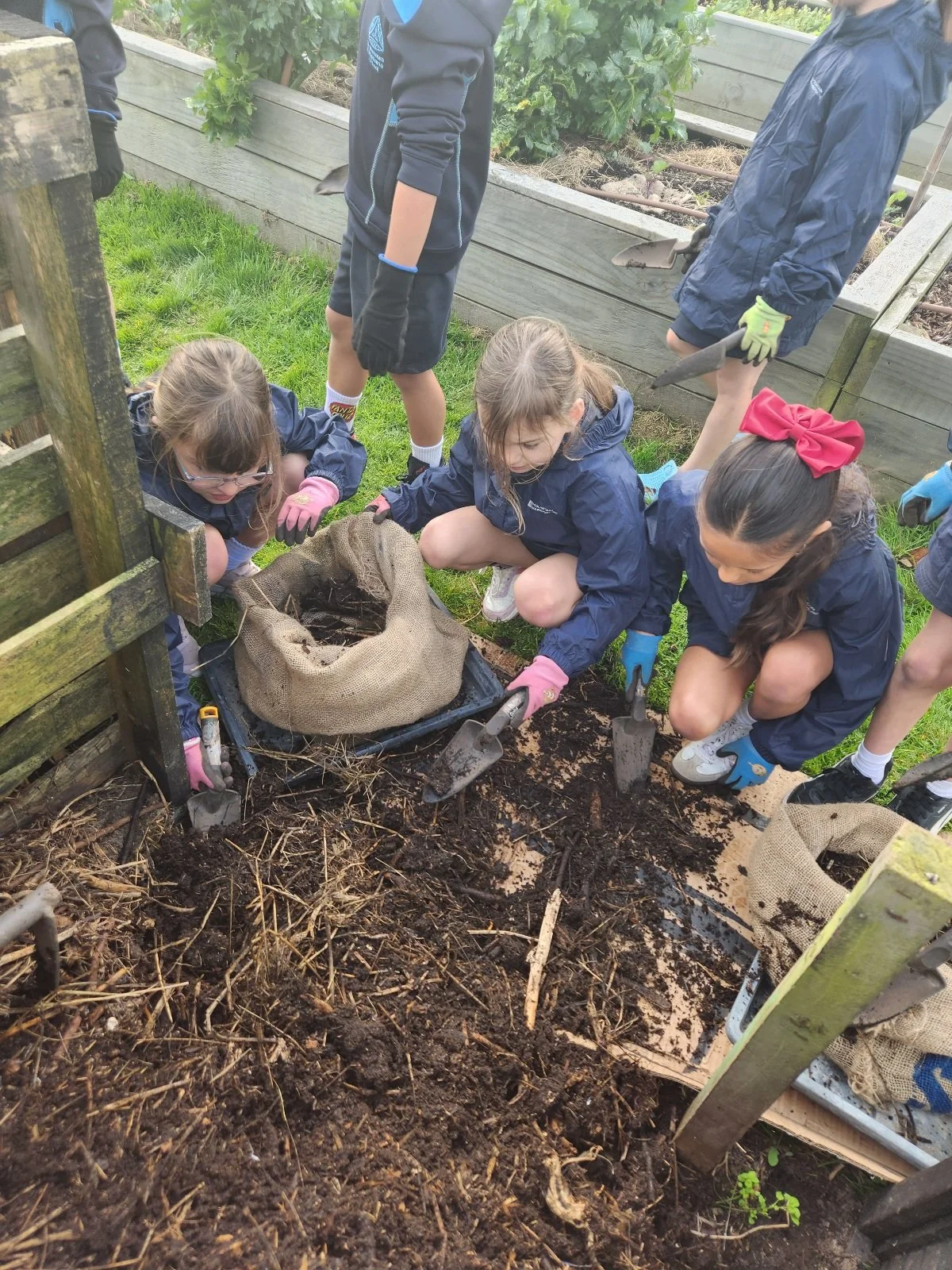
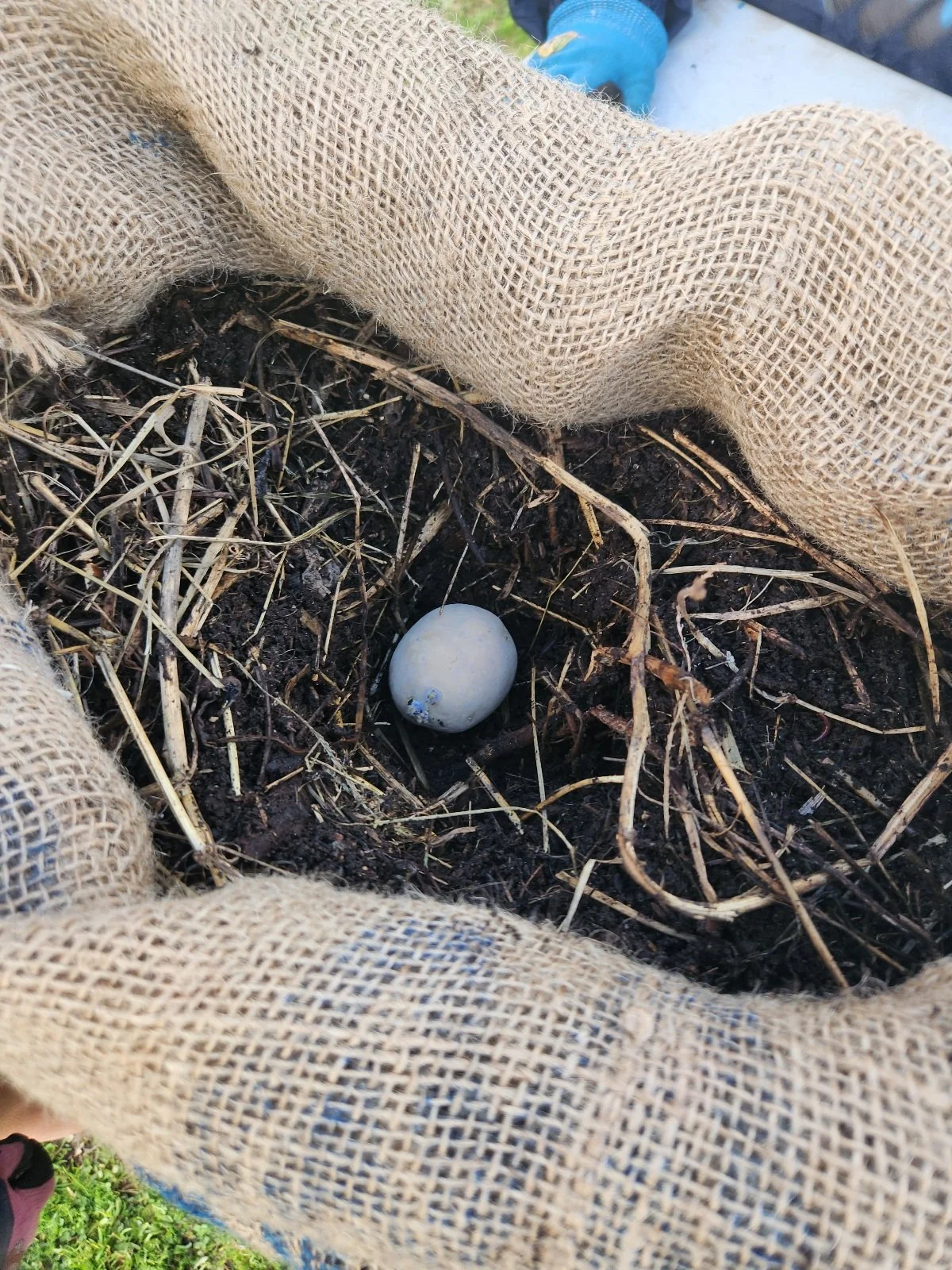
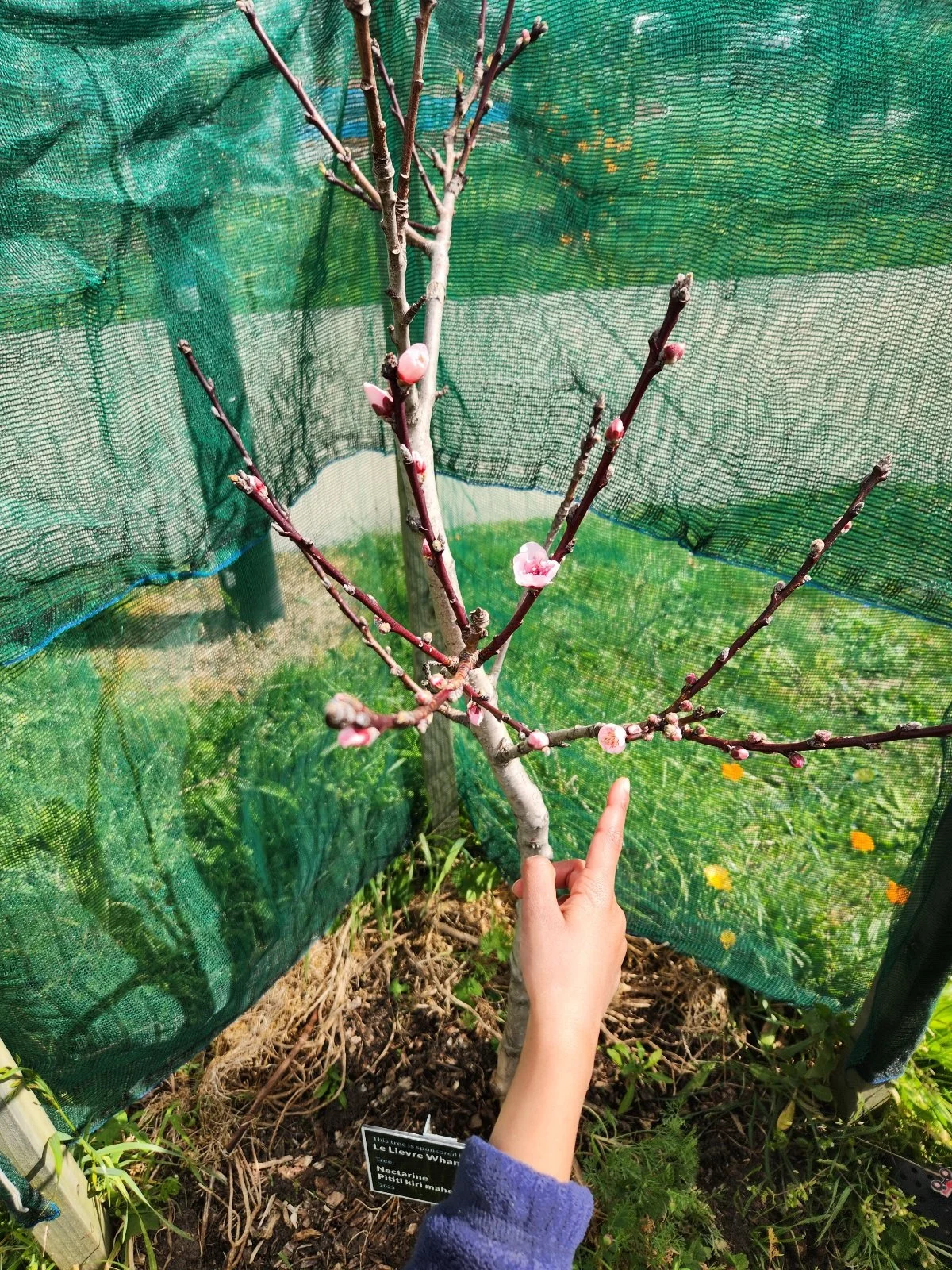
Finally, a huge thank you to our amazing compost kids. Their dedication to collecting and emptying classroom compost bins each week, along with adding garden waste and other organic material, has paid off. We now have beautiful homemade compost ready to use. This term we used it to give our fruit trees a boost as we moved into spring and to plant potatoes in sacks which we started early in the greenhouse before planting another crop into the garden once the soil warmed up.
It has been a wonderful term of growing food, growing knowledge and strengthening our connection with te taiao. 🌱